January 5 – May 21, 2023
Curated by Elena Rodriguez, Maria Luisa Stoppioni
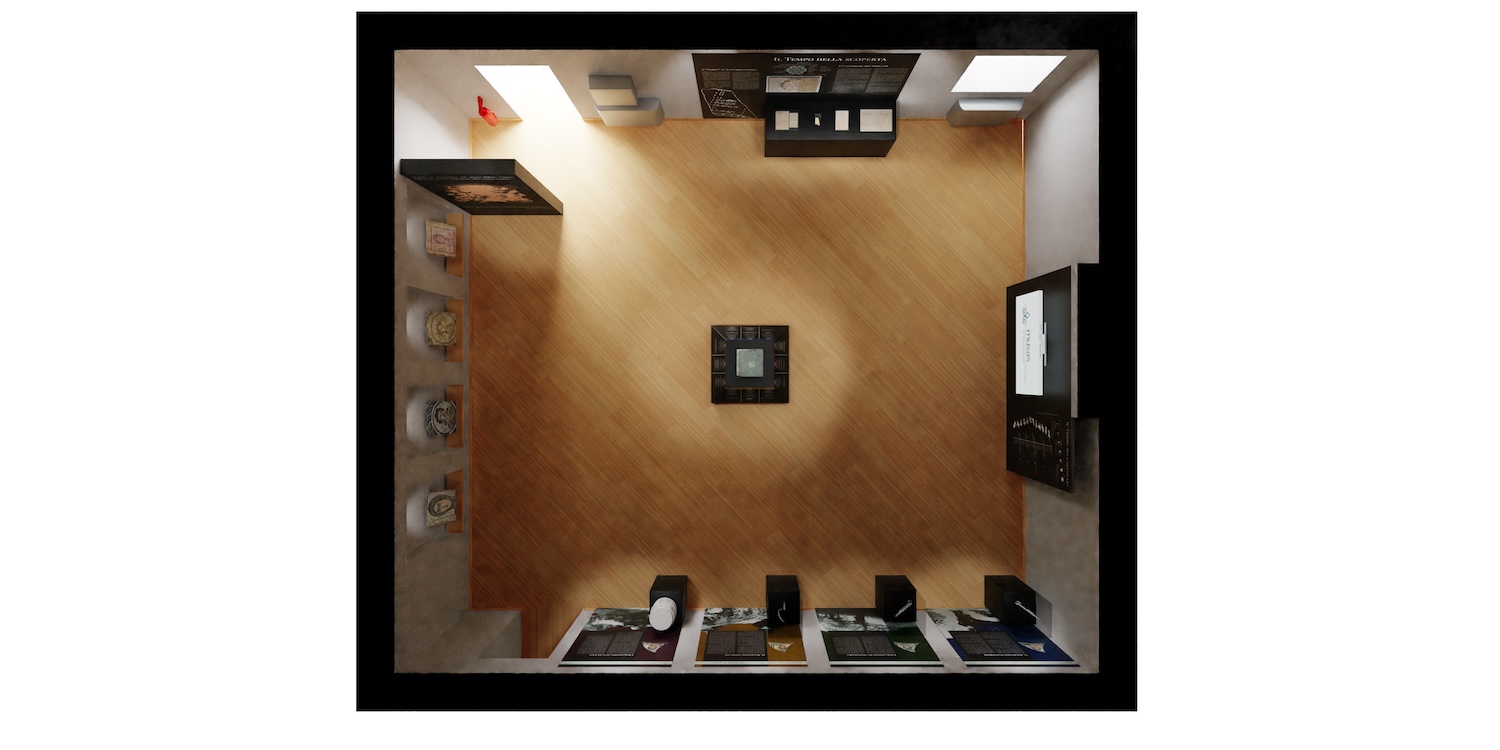
The exhibition is inspired by a small terracotta slab discovered in 1846 at the Pieve di San Michele in Santarcangelo, later acquired by the municipal collections of Rimini; MUSAS displays a cast of it. It is an index nundinarius, a calendar of market days (nundinae) listing (index) the towns where markets were held, datable to the early stages of Roman occupation in the area (around the 3rd century BC). From this starting point, the exhibition narrates the history of calendars, Roman inventions used to measure time, in three sections:
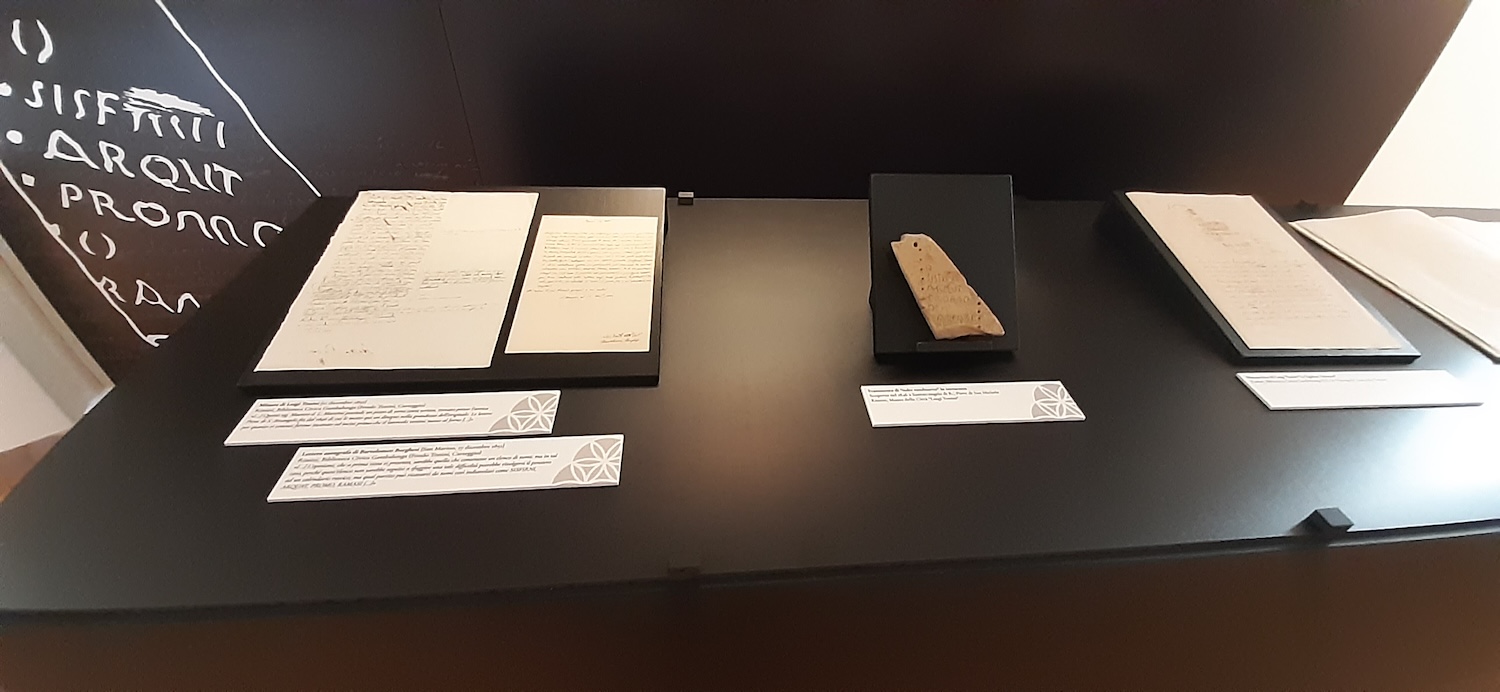
1 – The Time of Discovery
This section showcases the index, the documents used for its study and another calendar from Lazio, which serves as a comparison.
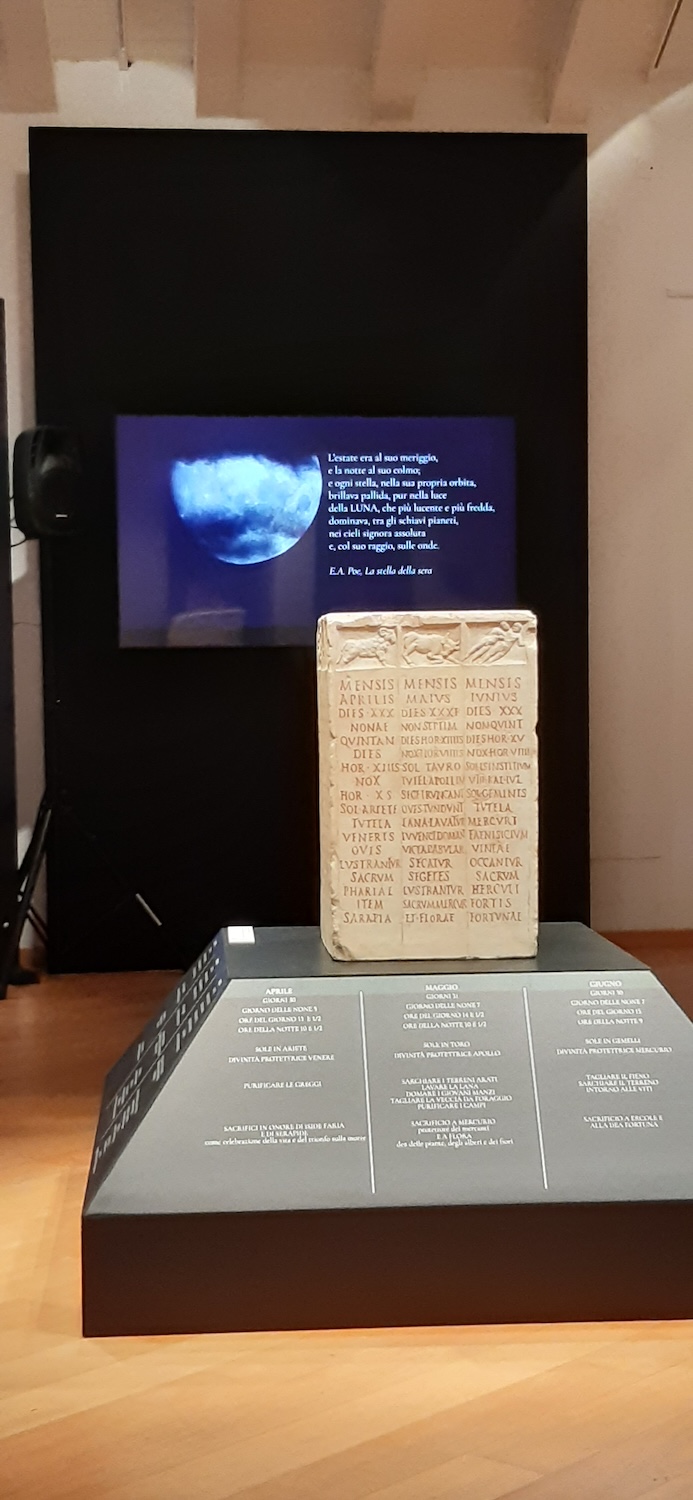
2 – The Time of Calendars
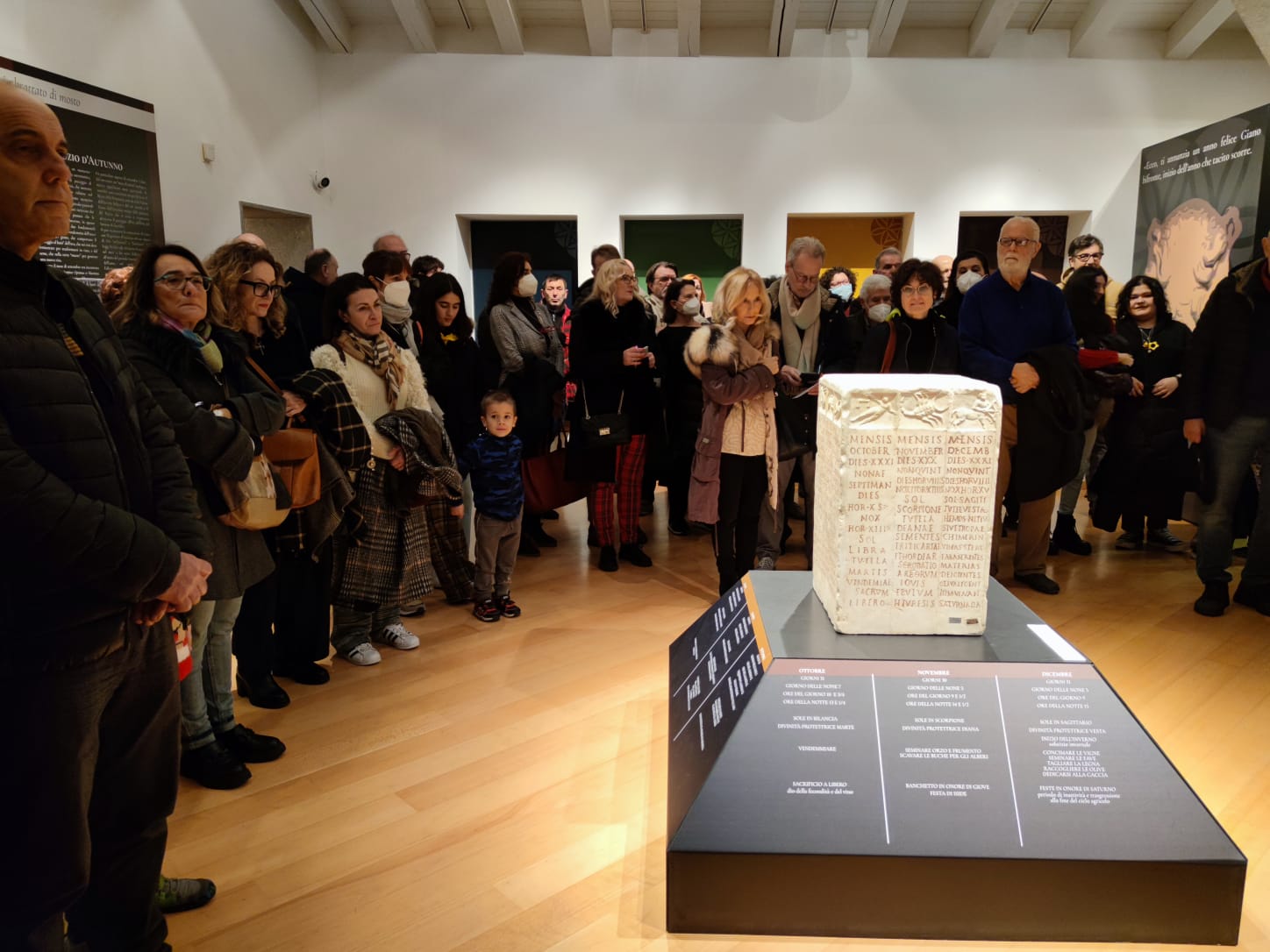
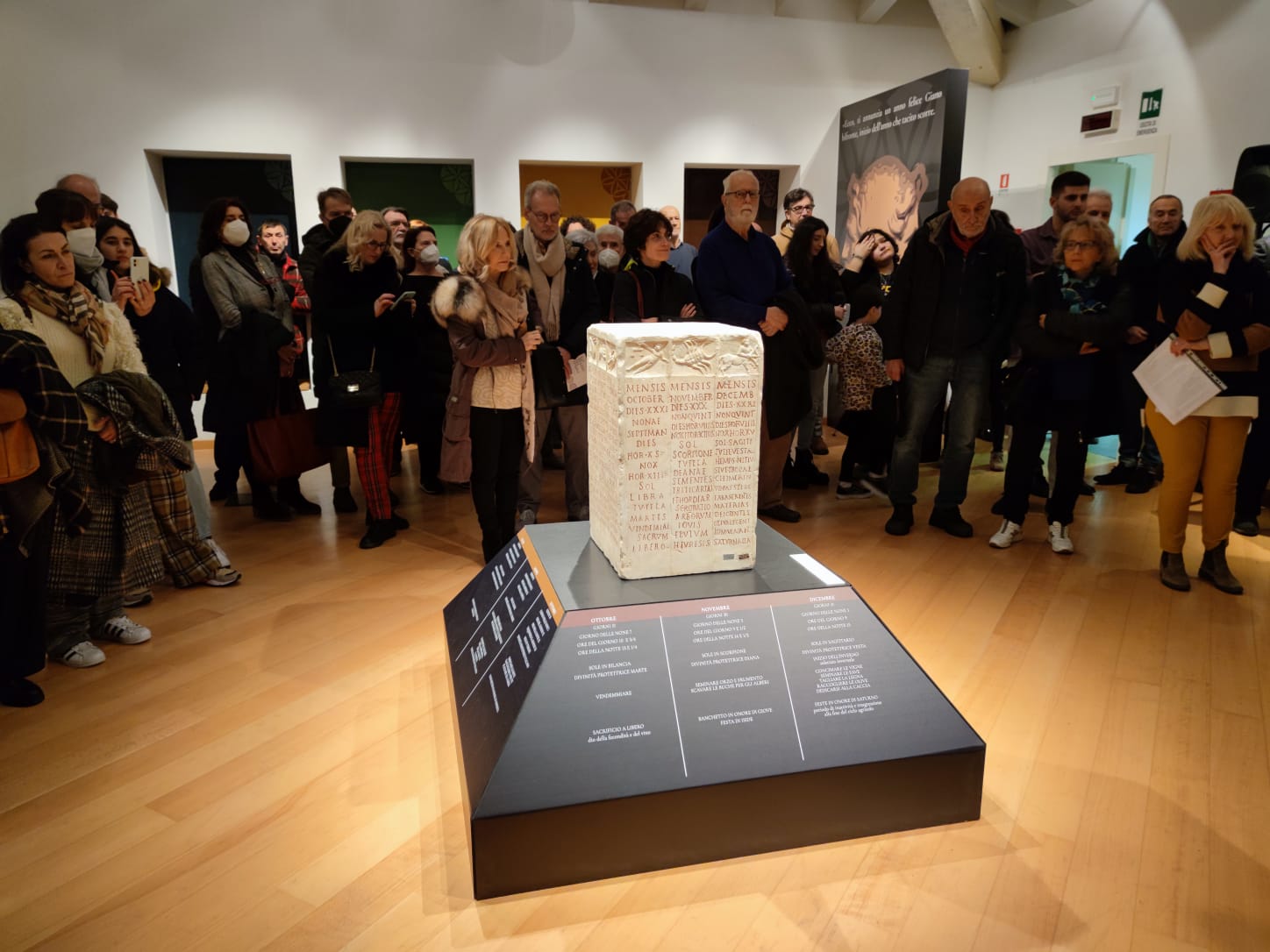
The history and development of calendars are presented through a video and the display of one of the most significant Roman calendars, the agricultural calendar known as the Menologium rusticum Colotianum.
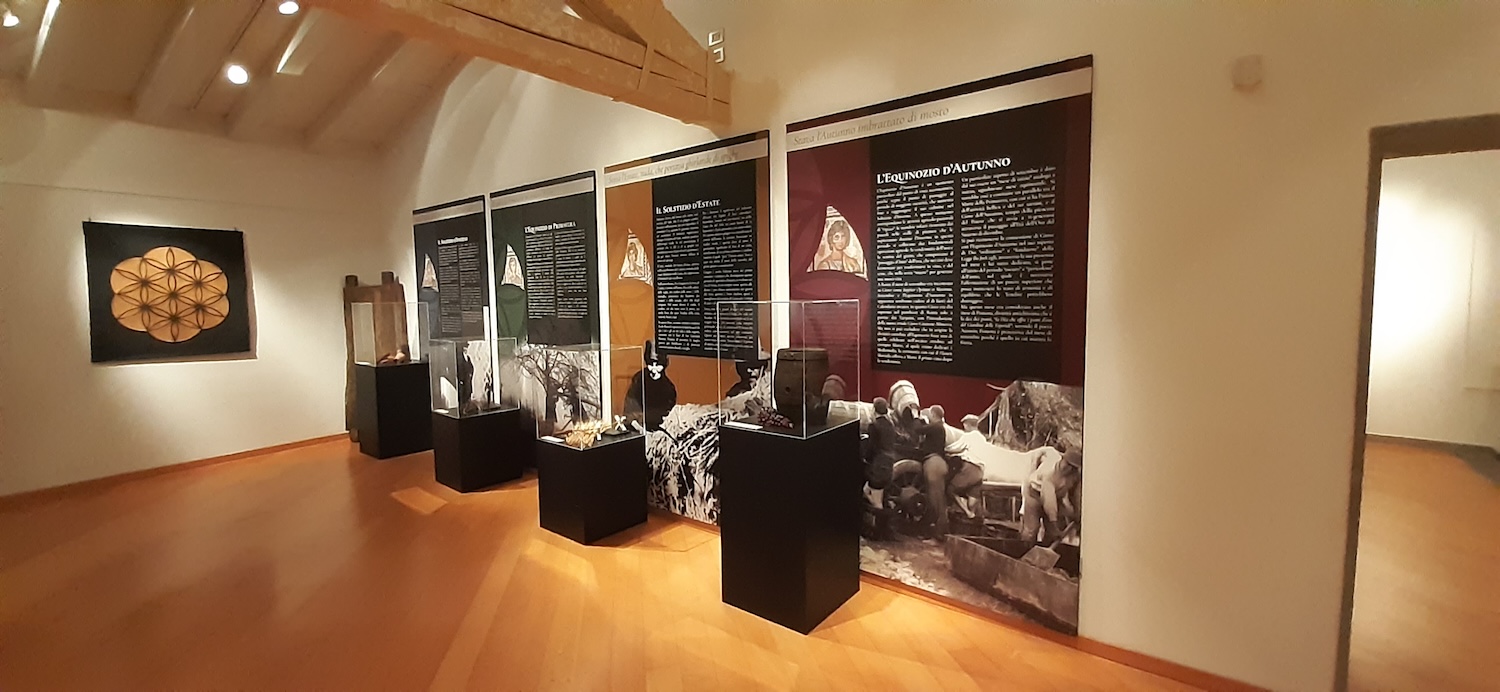
3 – The Time of Seasons
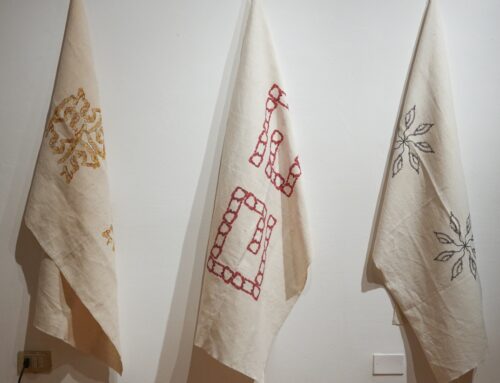
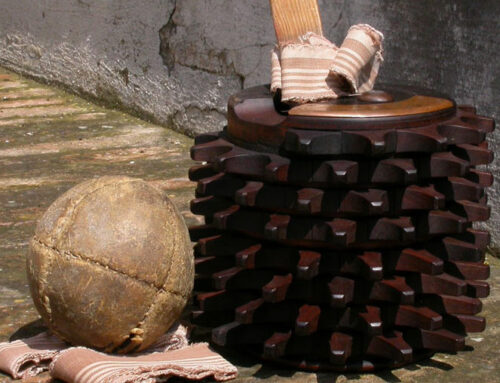
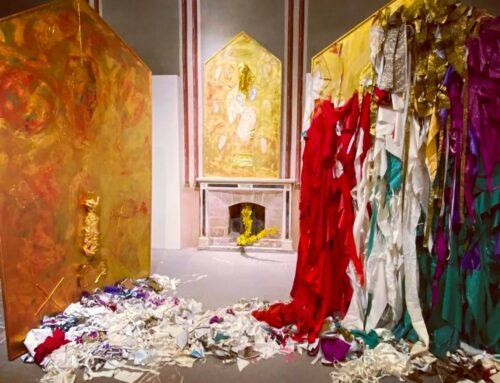
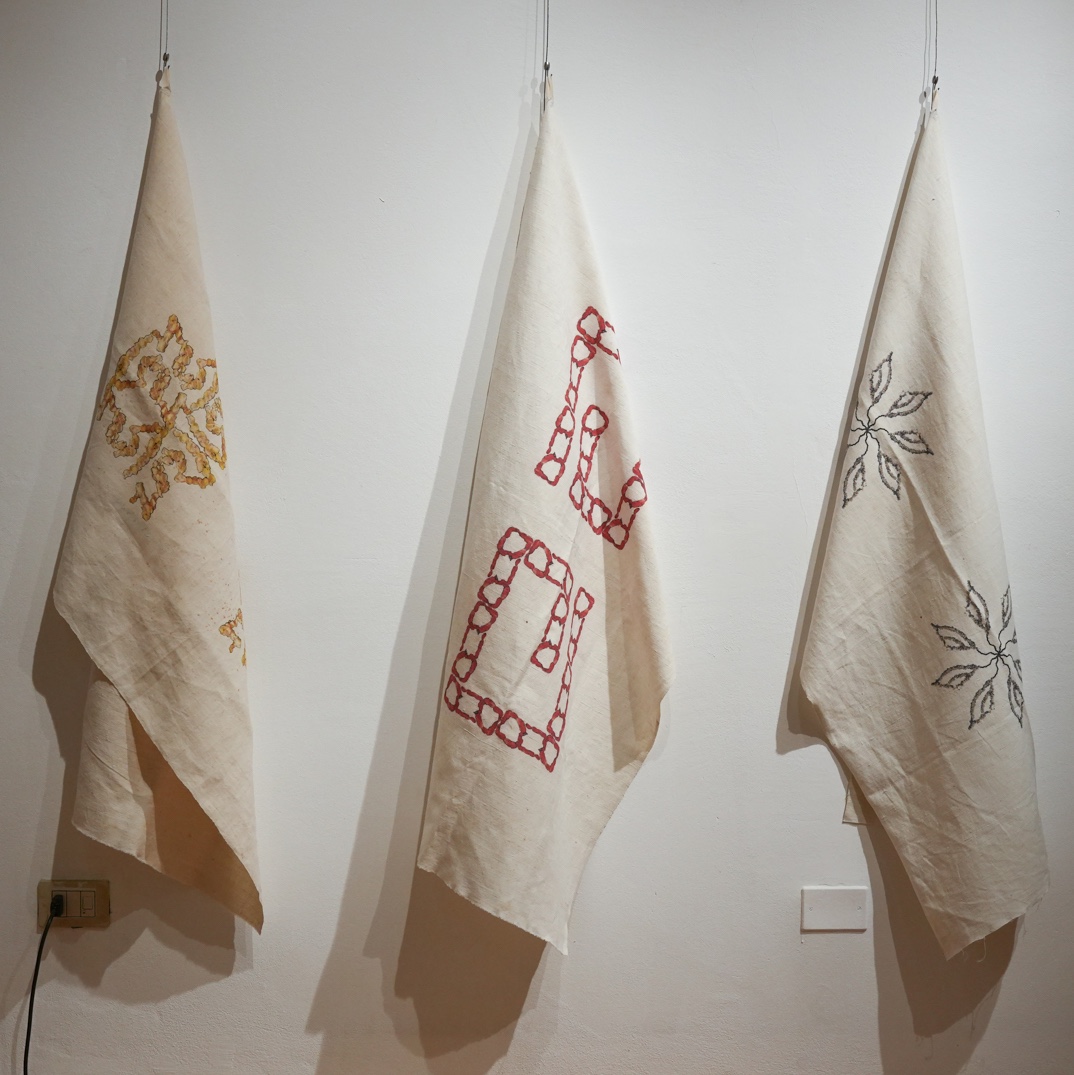
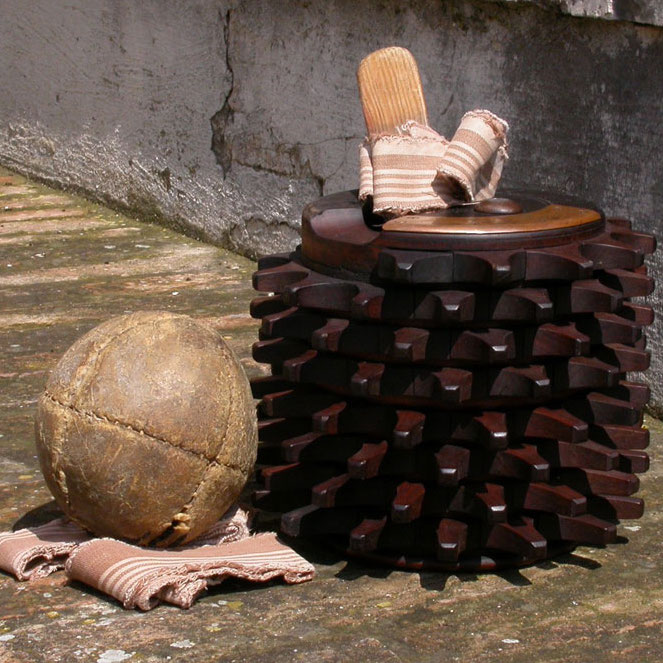
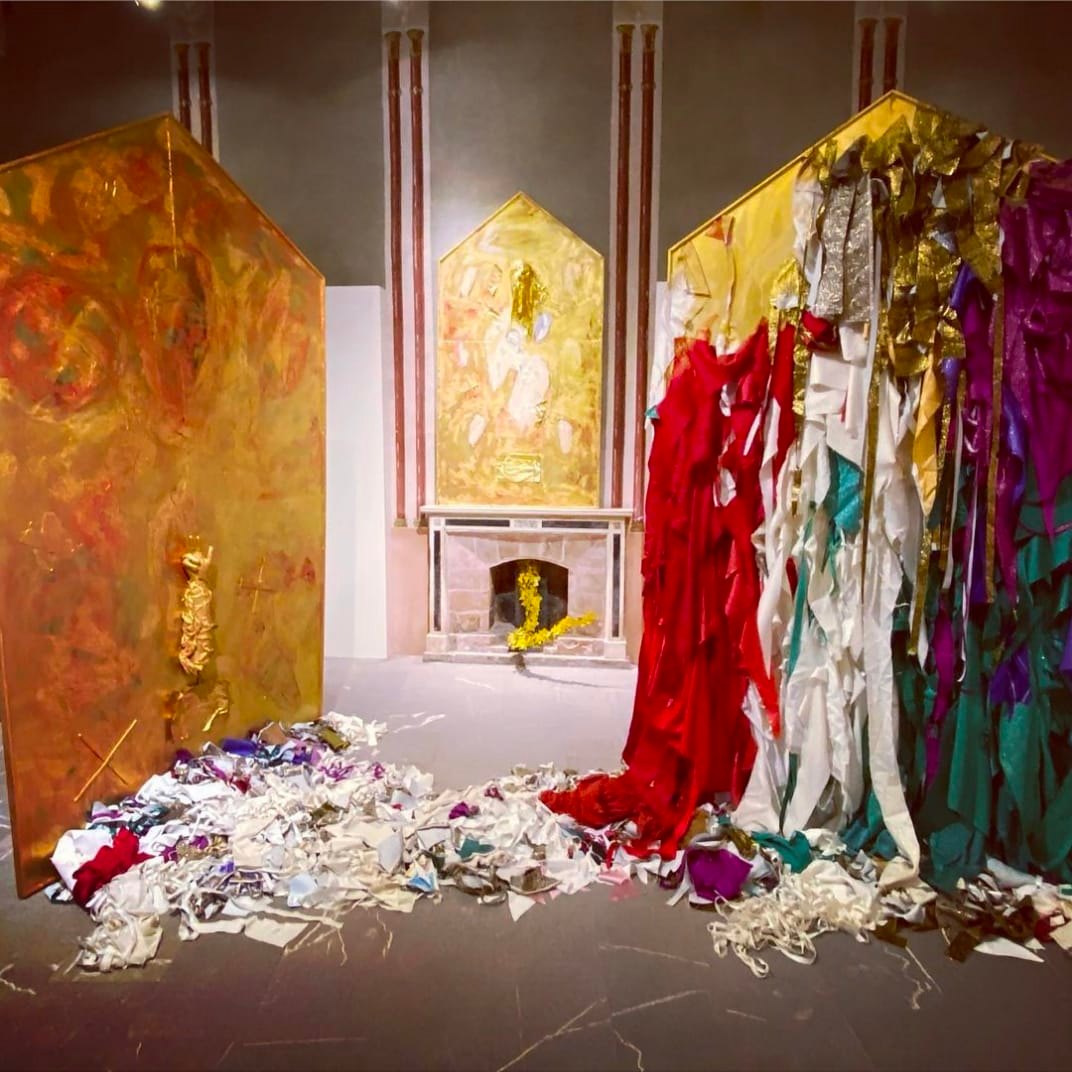
The rhythm of the seasons, which marks the agricultural cycle, is the main thread that characterizes the Santarcangelo area, uninterrupted from ancient times to the present day. The seasons are represented through references to ethnographic objects and a modern reading of ancient iconographic sources.
Lo spazio del tempo. Calendari romani tra ritmi naturali e culturali, exhibition guide, edited by E. Rodriguez, M.L. Stoppioni, 2023 Maggioli Editore.
Gallery