With Earth and Fire: Archaeology in Santarcangelo
The archaeological heritage of MUSAS has been formed through occasional discoveries, research conducted in the area since the second half of the 20th century, and through archaeological digs, which are still ongoing.
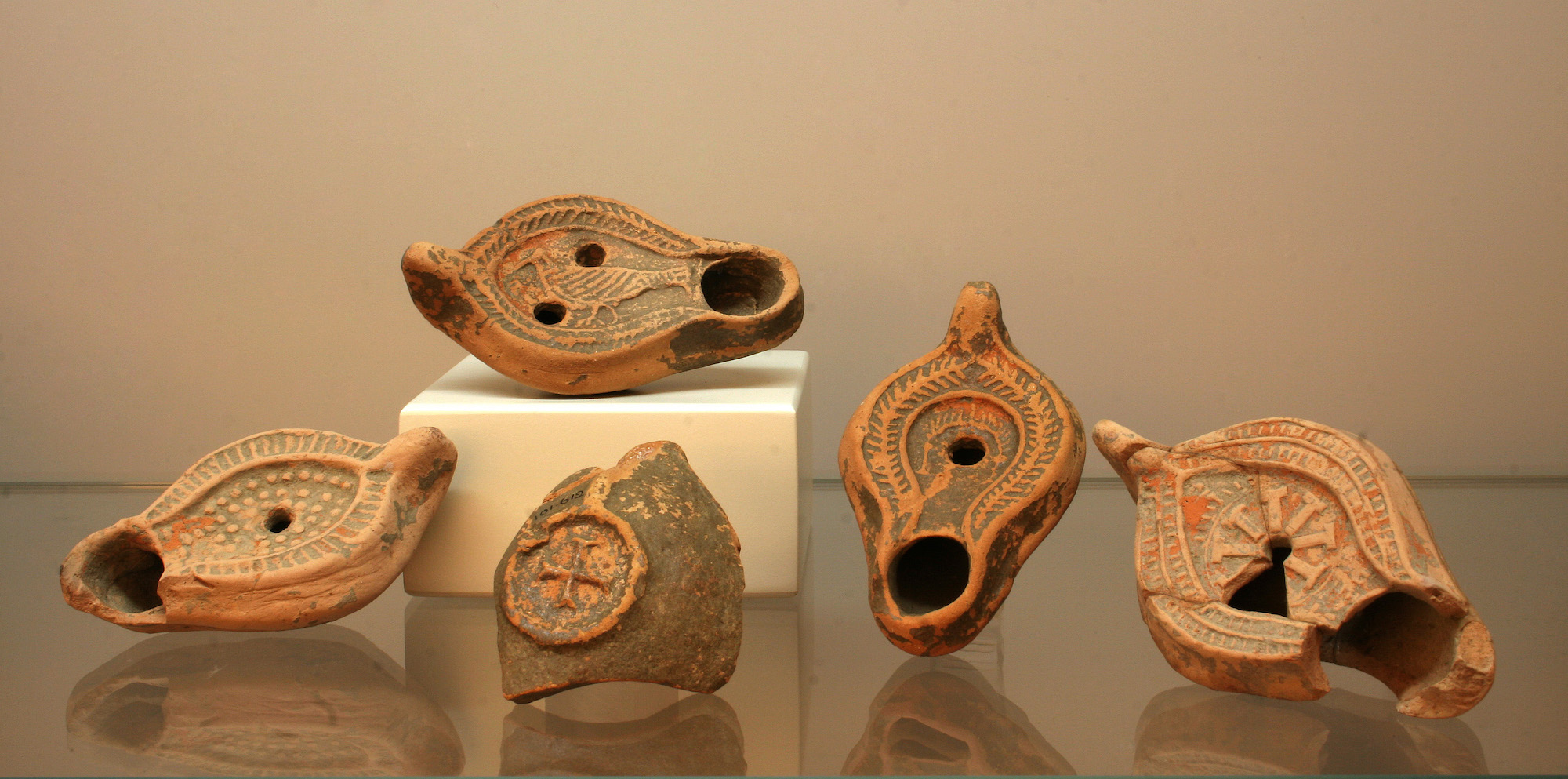
The story begins long ago, in Prehistory, but it is certainly the Roman period that marks the greatest expansion of the territory. During this time, the site where the village of Santarcangelo would later be founded saw the development of a flourishing agricultural activity, focused on grain cultivation and viticulture, as well as a thriving production sector. The abundance of clay, water, and timber, along with the presence of communication routes both short- and long-distance, provided the ideal conditions for the creation and expansion of true craft districts specializing in the production of containers for agricultural products, building materials, and, towards the end of the Roman era, oil lamps.
Before History: The Stone and Metal Ages
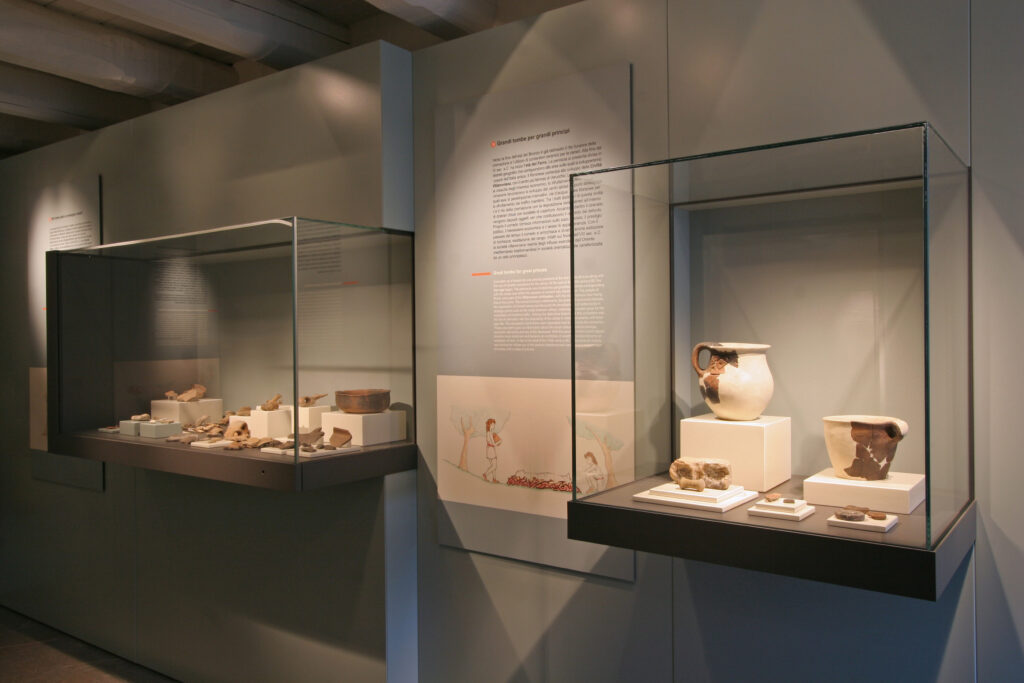
Hall 4. Prehistory and Protohistory
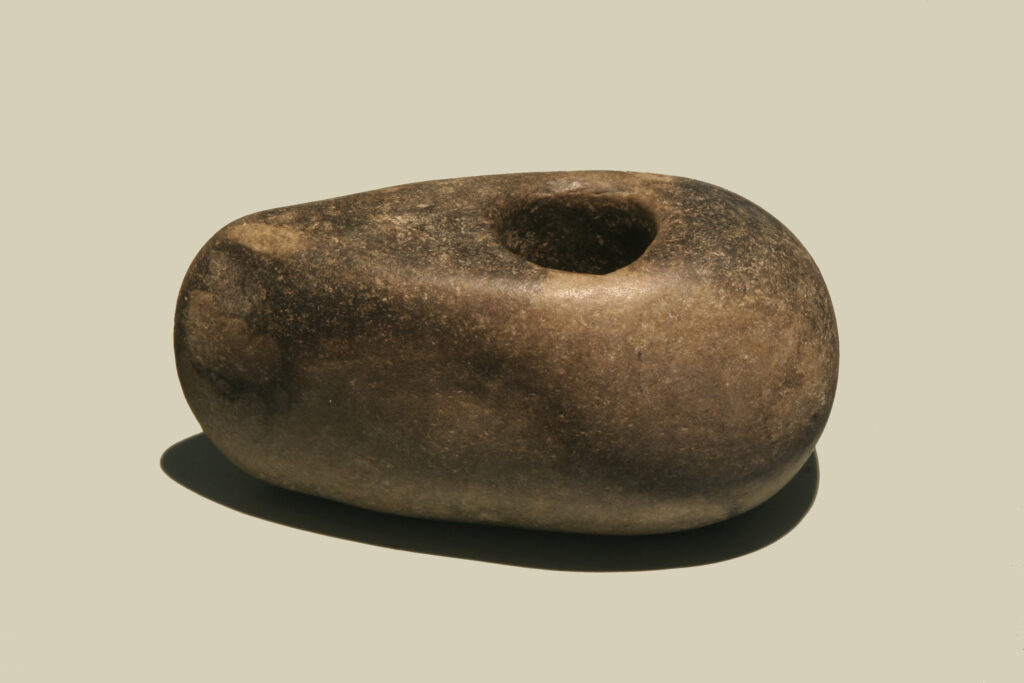
Hall IV takes visitors back to the remotest past through the oldest artifacts discovered so far, which testify to how the territory was already traversed and frequented during Prehistory, even if not necessarily inhabited.
The flint tools, made from pebbles, date back to the Paleolithic, around 200,000 years ago. From the Neolithic, the “new stone age”, come a polished stone axe and a red flint arrowhead, marking the shift from a subsistence economy to a more productive one.
Agriculture and Craftsmanship: The Two Faces of the Same Landscape
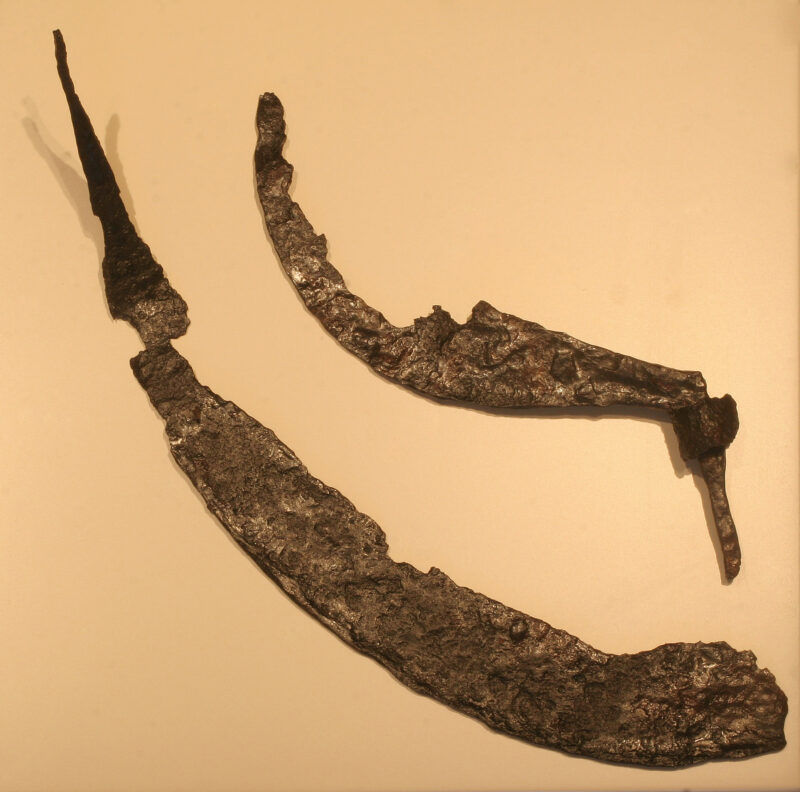
When the Romans founded the Latin colony of Ariminum in 268 BC, a period of great development began across the entire territory along the inner valleys of the rivers. The characteristics of the landscape, the presence of fertile land, and the abundance of resources such as water, clay, and timber, determined the primary role of this area as a key supplier of food products (grain, wine, fruit) and building materials.
From the Republican period, and especially during the early Imperial era, rustic buildings with cultivated land and craft installations proliferated along the rivers and on the first hillsides.
Santarcangelo, in particular, became the most strategic area for the development of intense agricultural activity, focused on grain cultivation and viticulture. These activities not only met local needs but also produced in excess, leading to the allocation of part of the products to the markets. This commercial vocation was supported by the town’s location, straddling short- and long-distance routes and roads (the Emilia and Popilia consular roads, the Marecchia route leading to Tuscany and the Tyrrhenian coast).
From the Quarry to the Finished Product: The Production Facilities
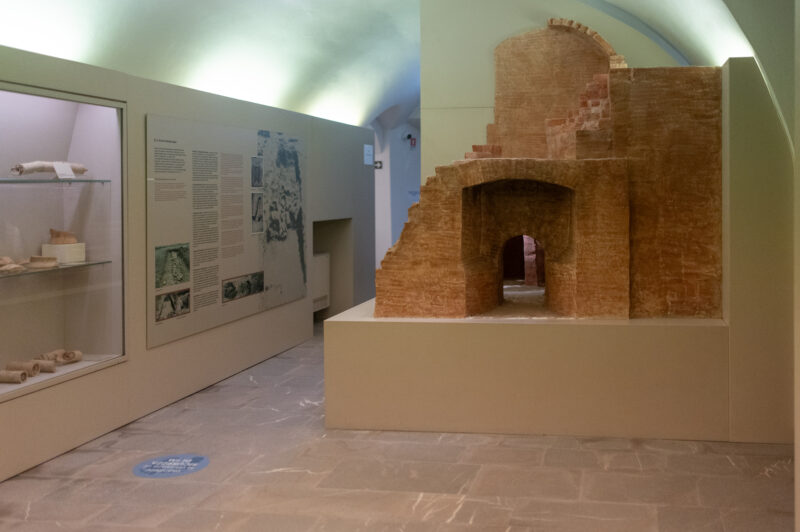
Hall 1. Roman Period
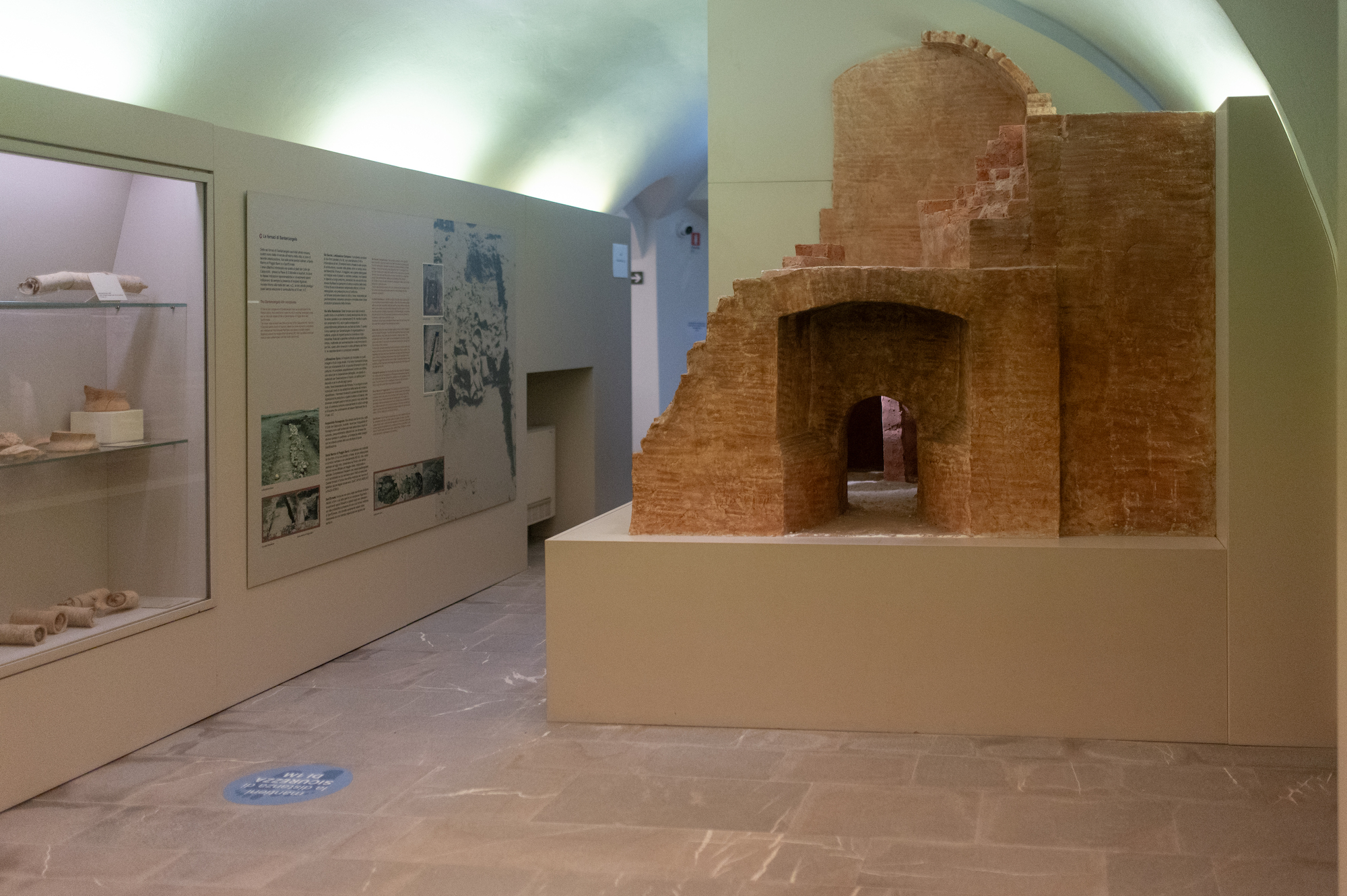
In Hall 1 of MUSAS, the centerpiece is a 1:2 scale reconstruction of a post-medieval kiln, which replicates the structure of kilns that were widespread in the area starting from the Roman era. This choice was made to highlight the continuity of a tradition that has lasted for nearly two thousand years.
Kilns were the beating heart of the numerous ceramic workshops that emerged in Santarcangelo during the Roman period. From the 1st century BC, these workshops developed into artisan districts, some of which remained active until the 6th-7th centuries AD.
Not Just Amphorae and Bricks… The Variety of Productions
Hall 2. Productions
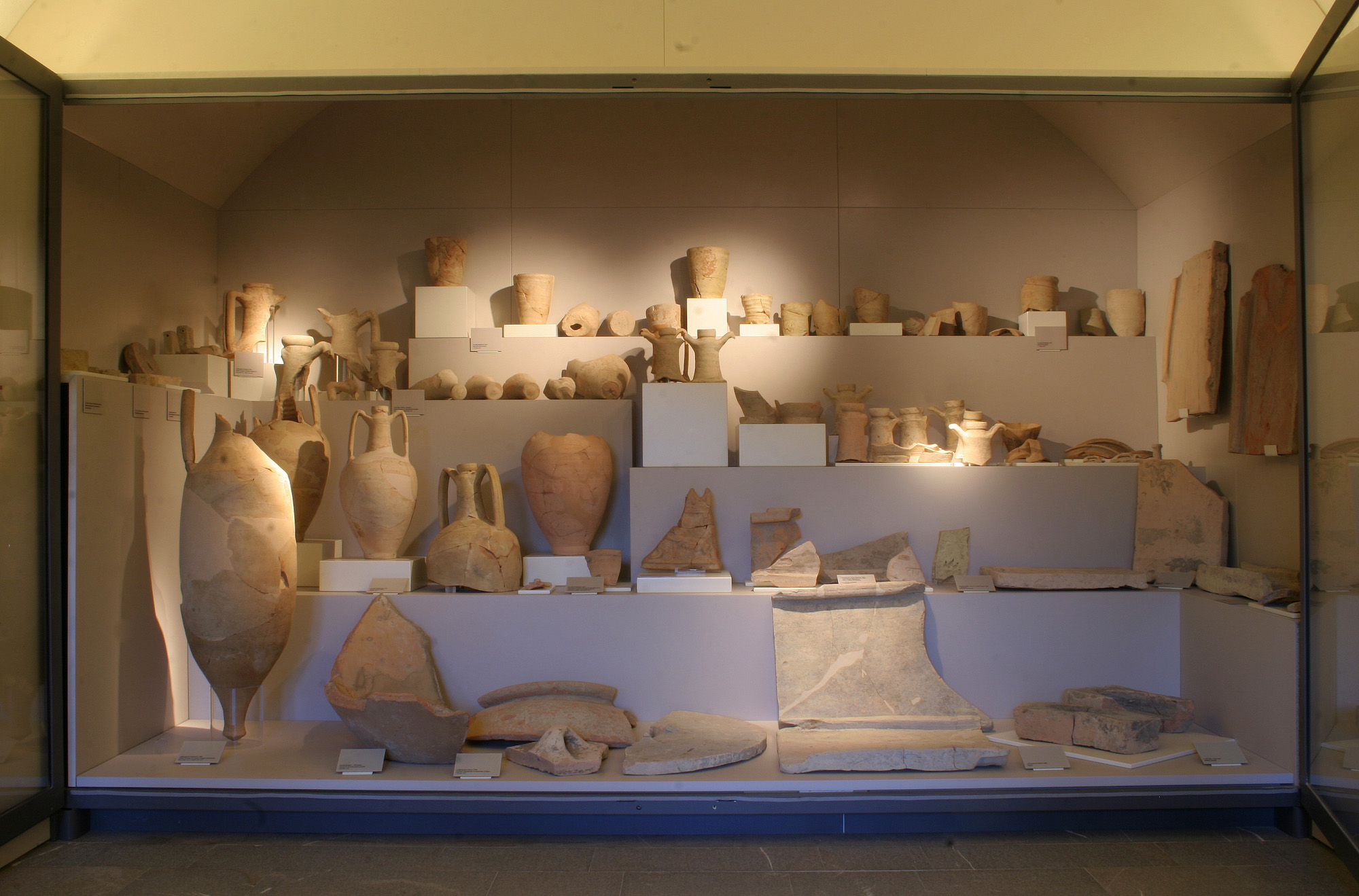
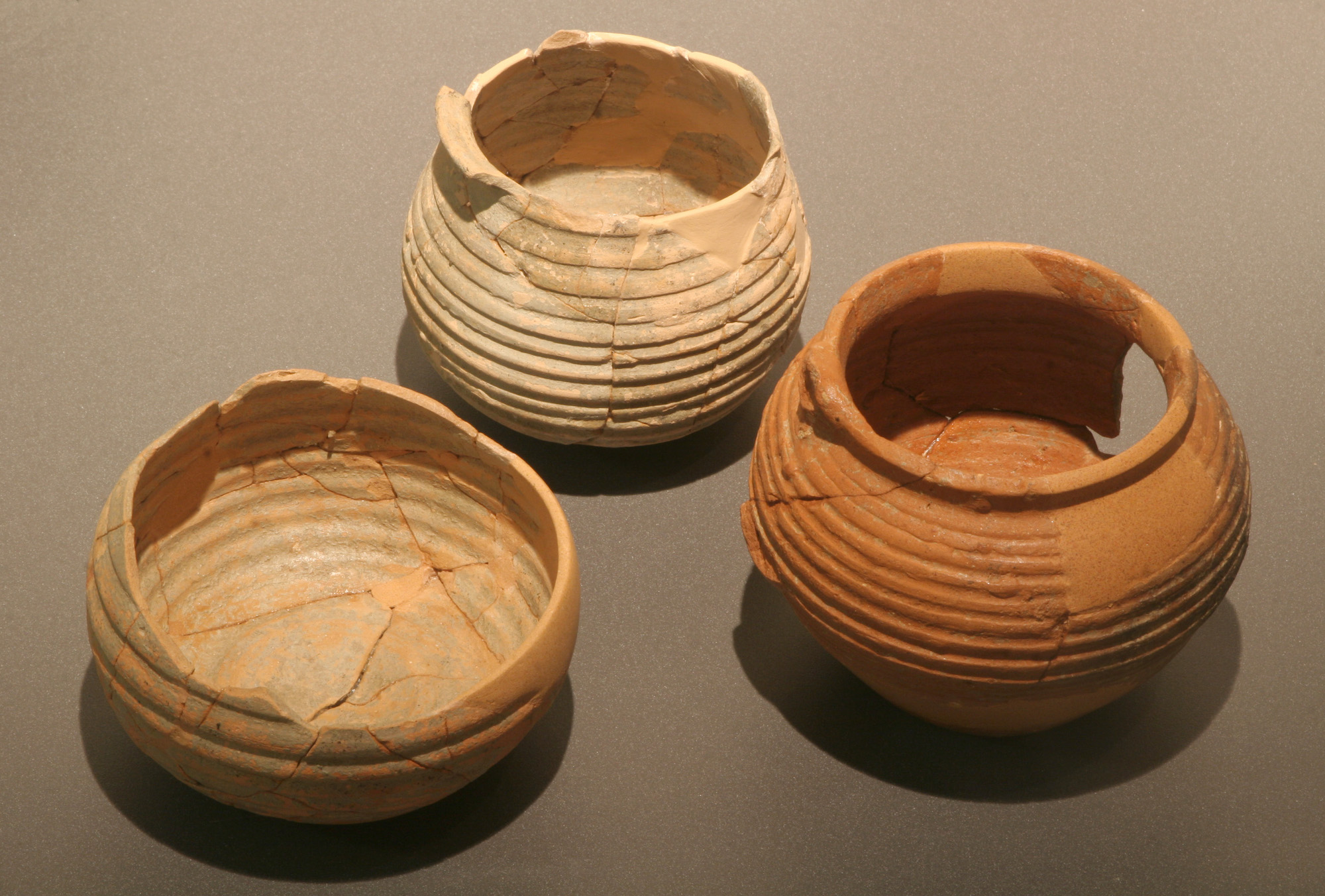
The main products of these workshops fall into two categories: bricks for construction and containers for foodstuffs. Additionally, in the same facilities, everyday household items such as pots and utensils are also produced.
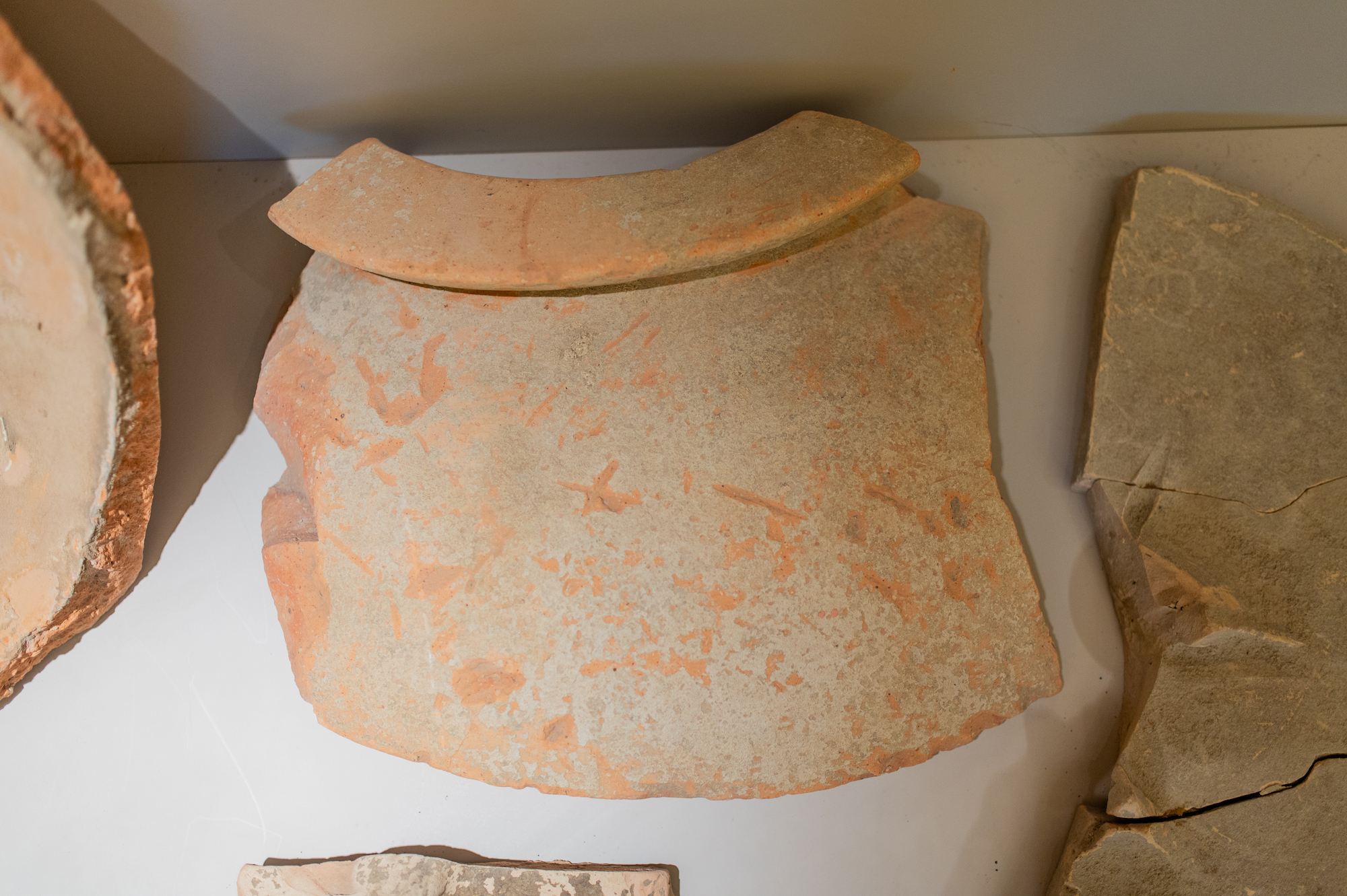
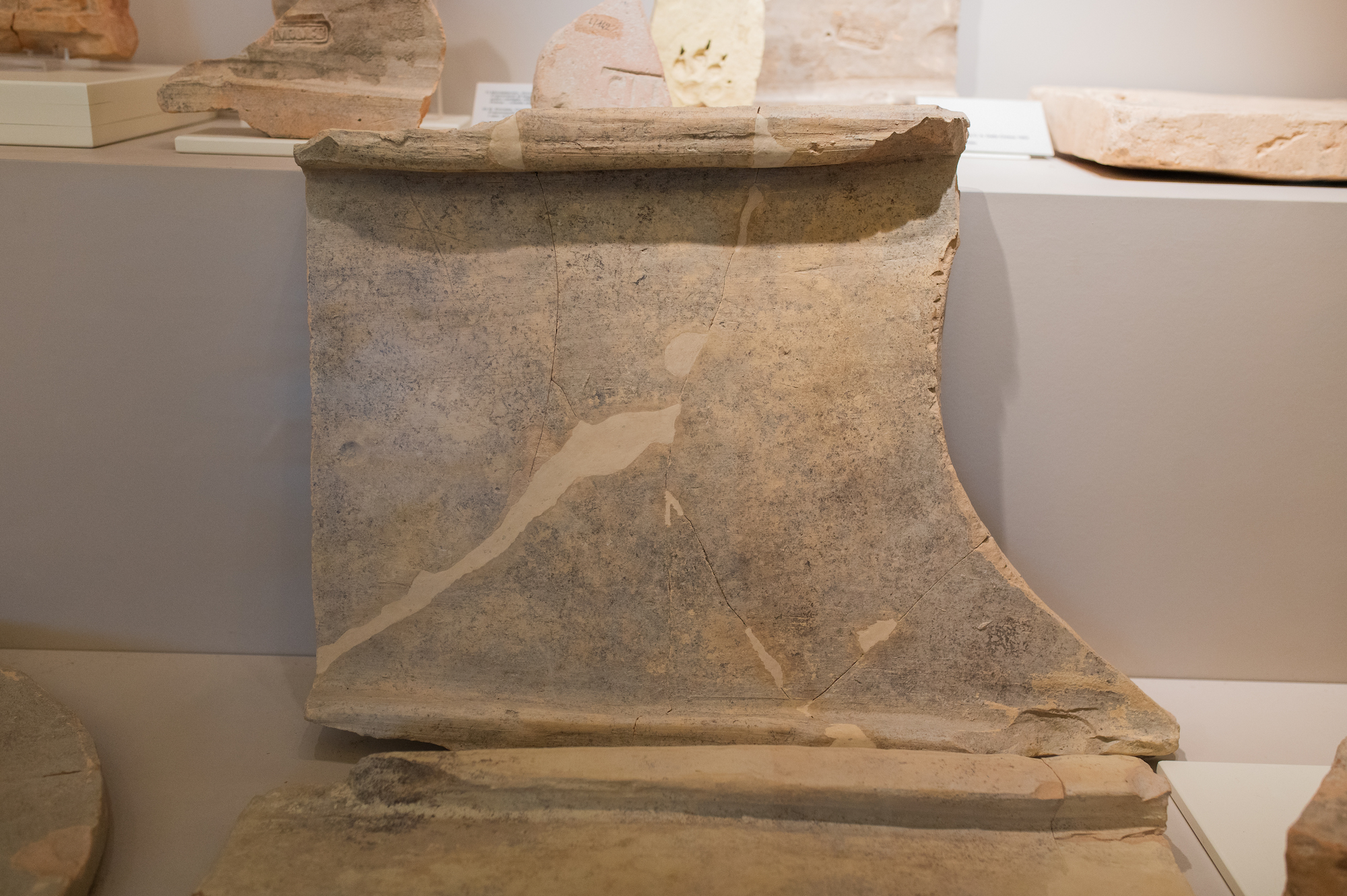
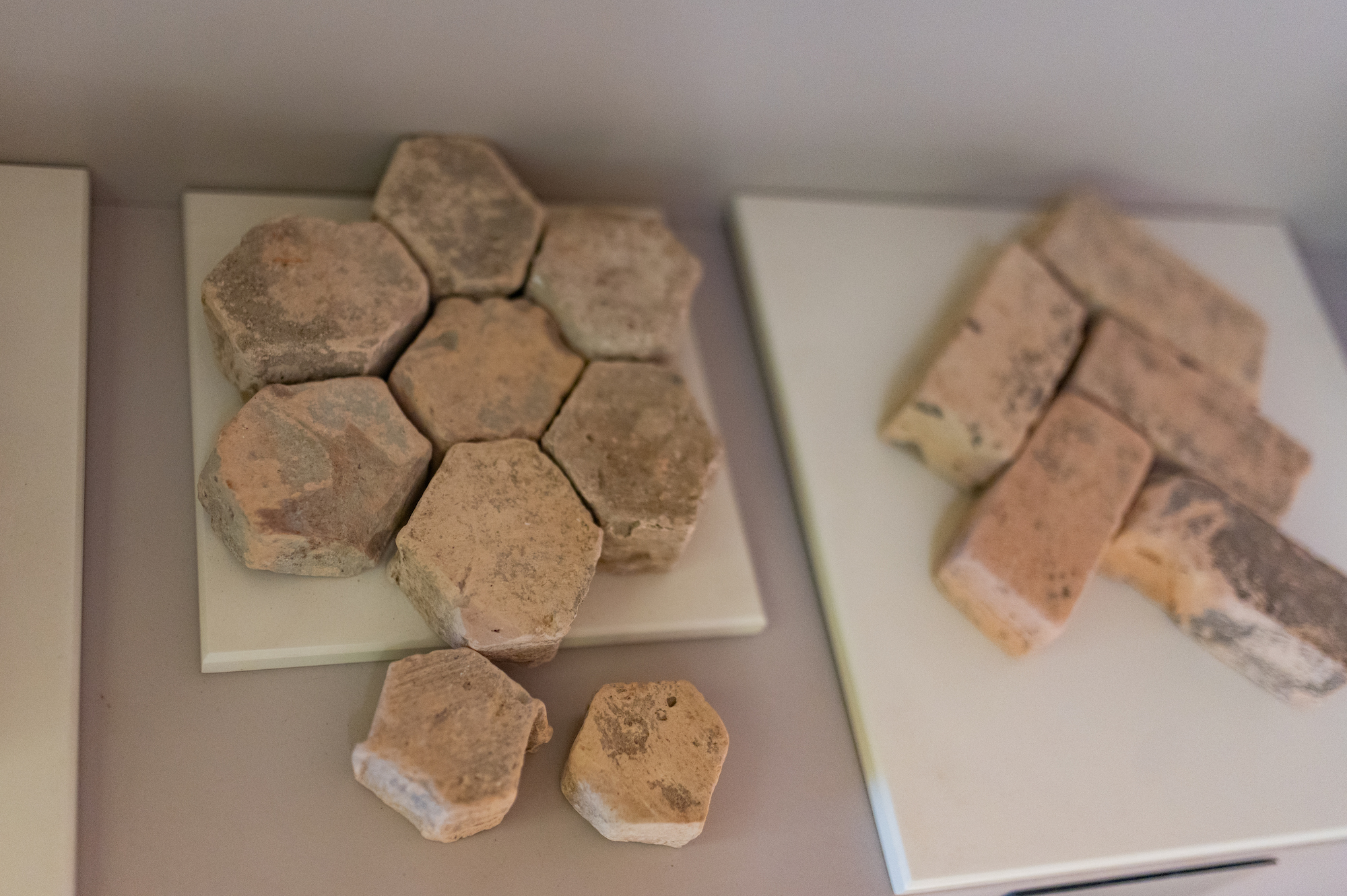
The leading industry is brick production, which mainly manufactures tiles, roofing tiles, bricks, floor tiles, and other construction elements.
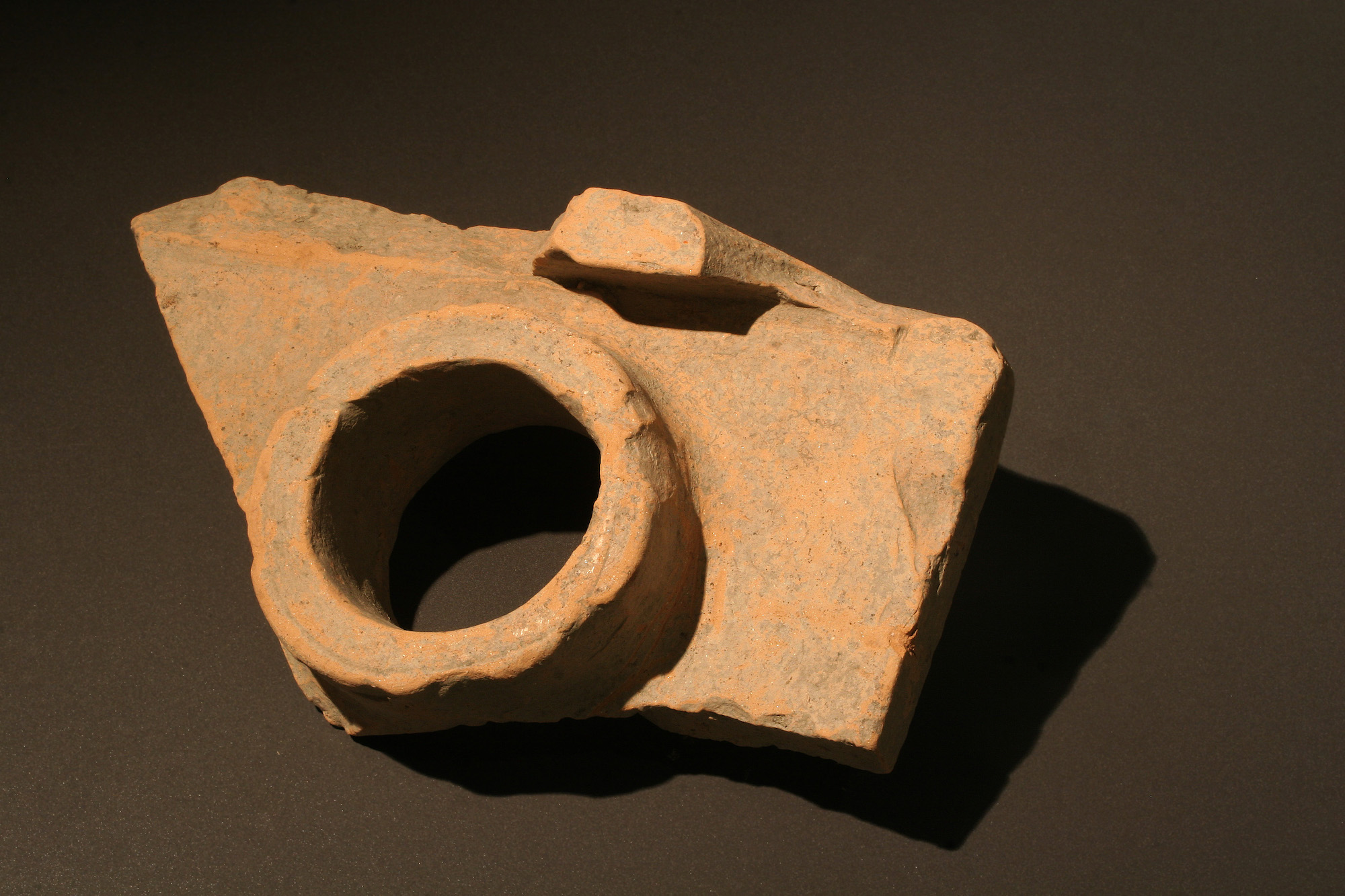
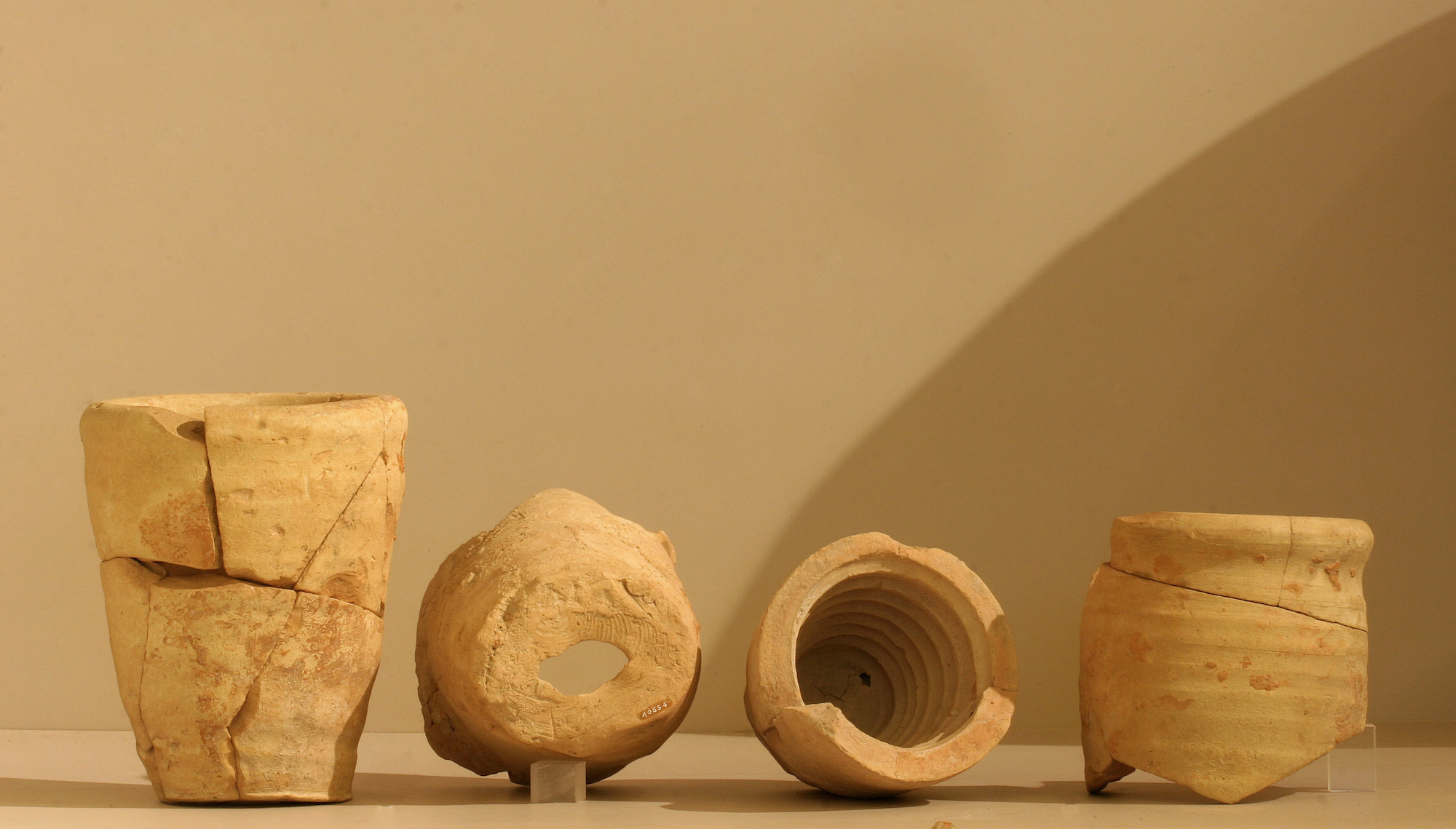
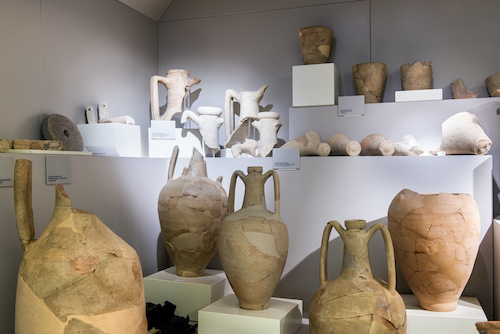
Local kilns also produce pots with perforated bottoms for cultivating flowers and fruit plants, large jars for preserving agricultural products, smaller containers made of common pottery, and, above all, wine amphorae, undoubtedly the most widely produced item.
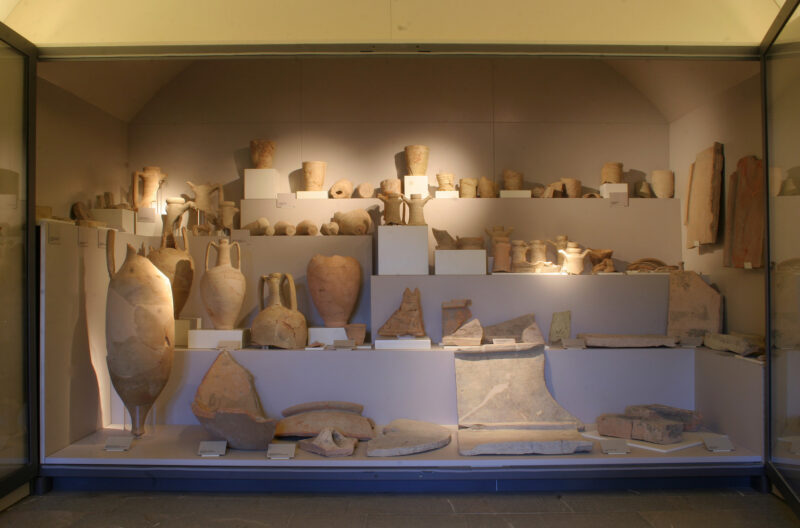
Living
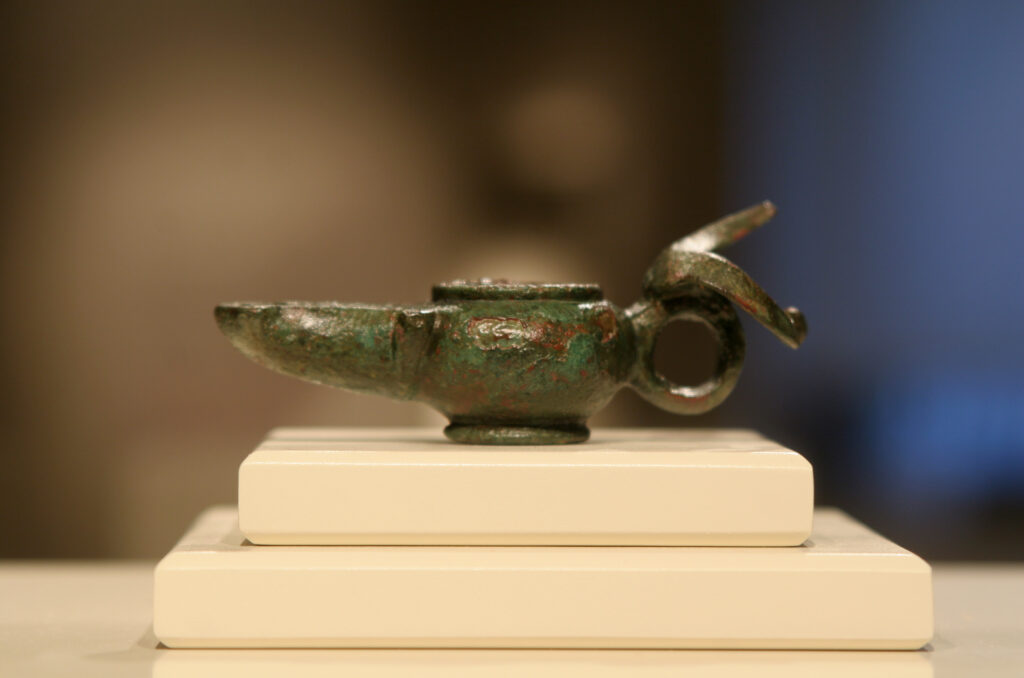
Hall 3. Roman Era
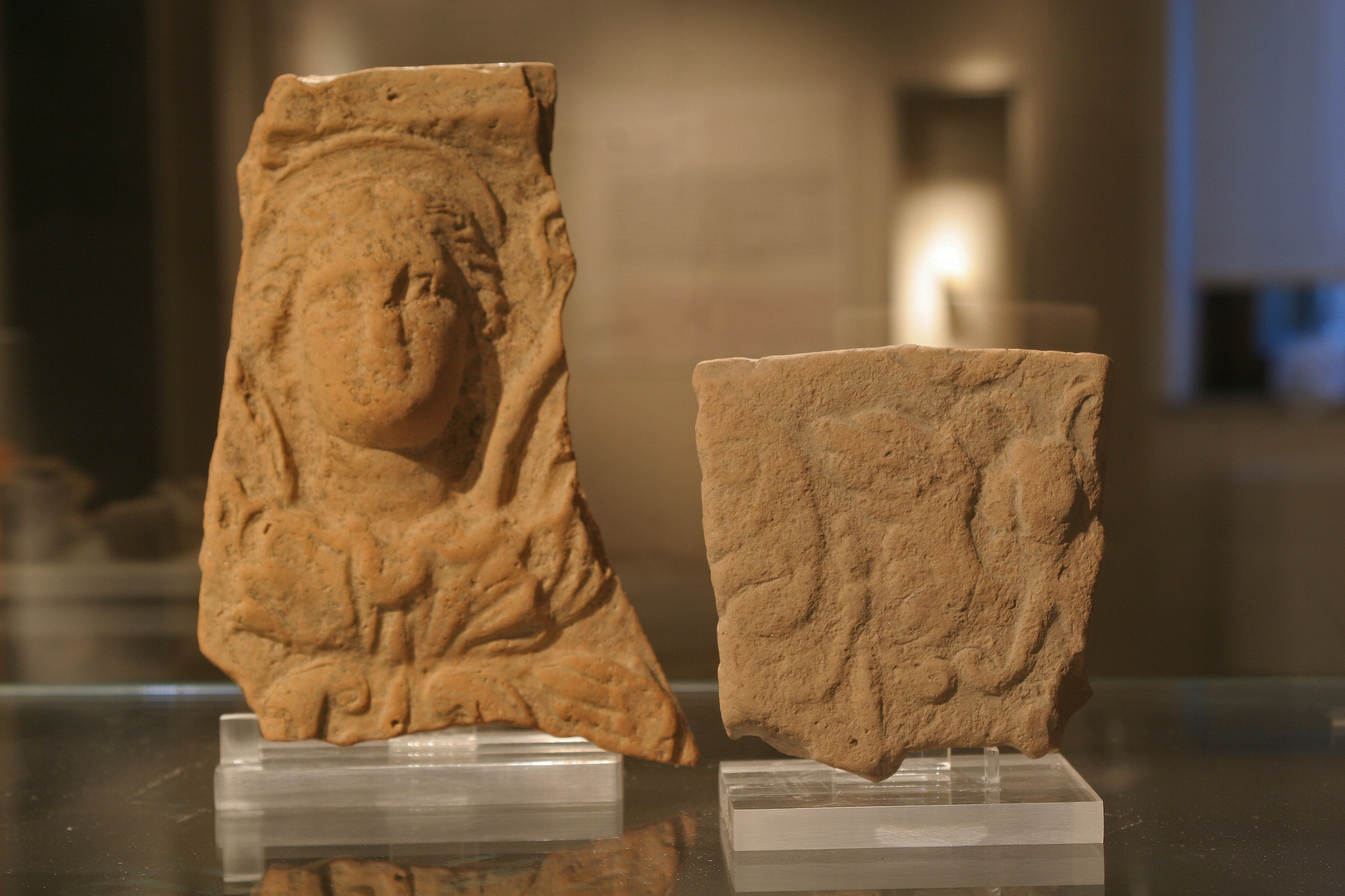
The discoveries and archaeological excavations have provided information about ancient settlements and material culture, which also included tools used in daily life, not only for work activities.
Residential buildings are mostly located in the plains, far from the artisan quarters, and vary in size and quality. The larger rural villas generally consist of two distinct parts: the pars fructuaria, where agricultural produce is stored and processed, and the actual residential area.
Gallery