
MUSAS is… a walk through time and landscape
Visiting MUSAS is like strolling through the streets of Santarcangelo and its surroundings, traversing centuries of history and stories.
The museum completes the narrative that begins with a visit to the city, showcasing the monuments and places that form its history and memory.
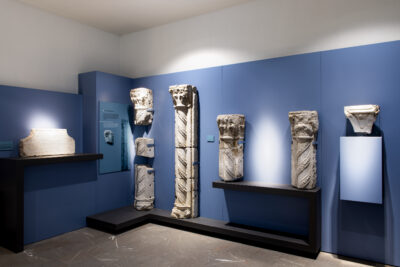
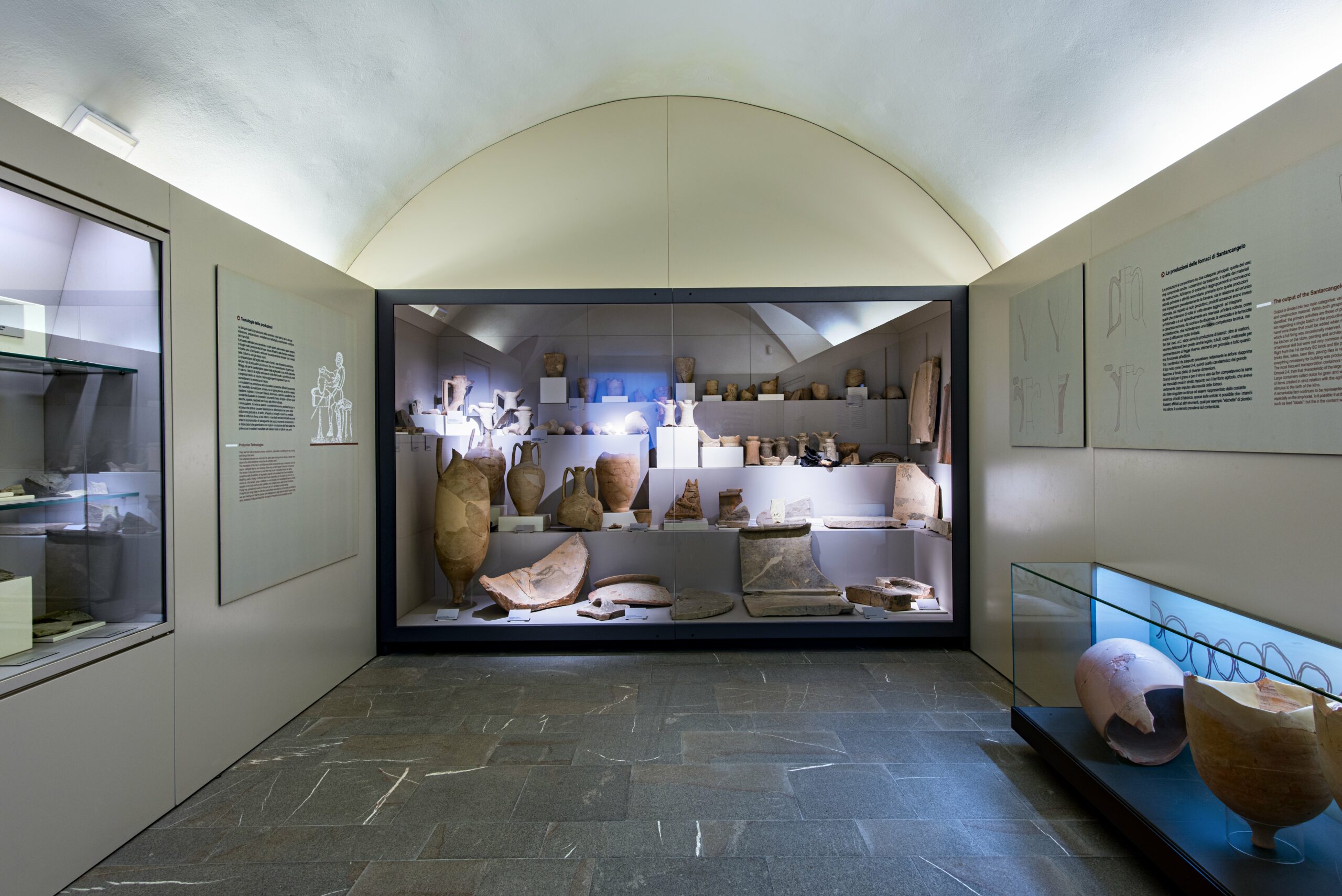
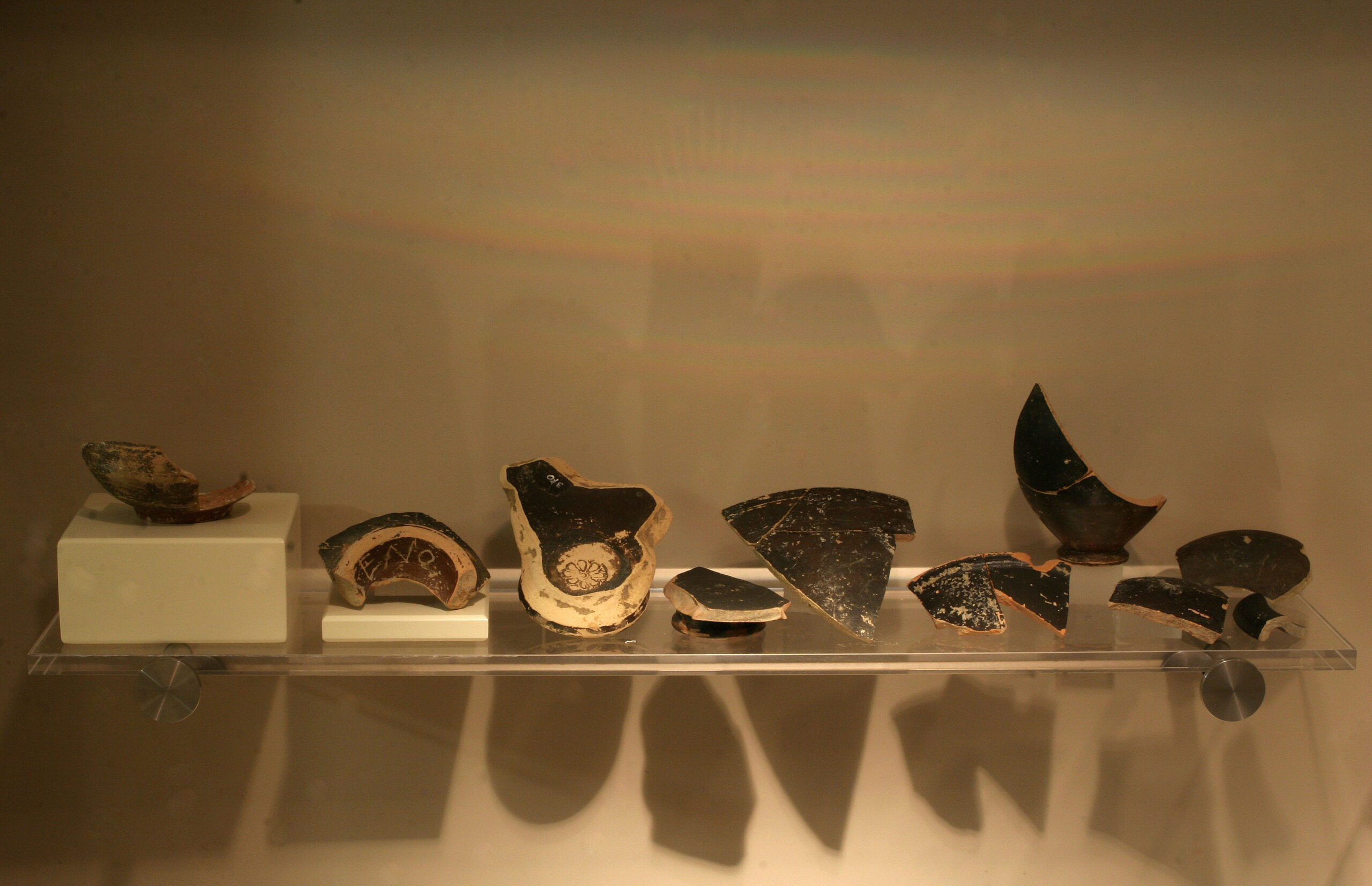
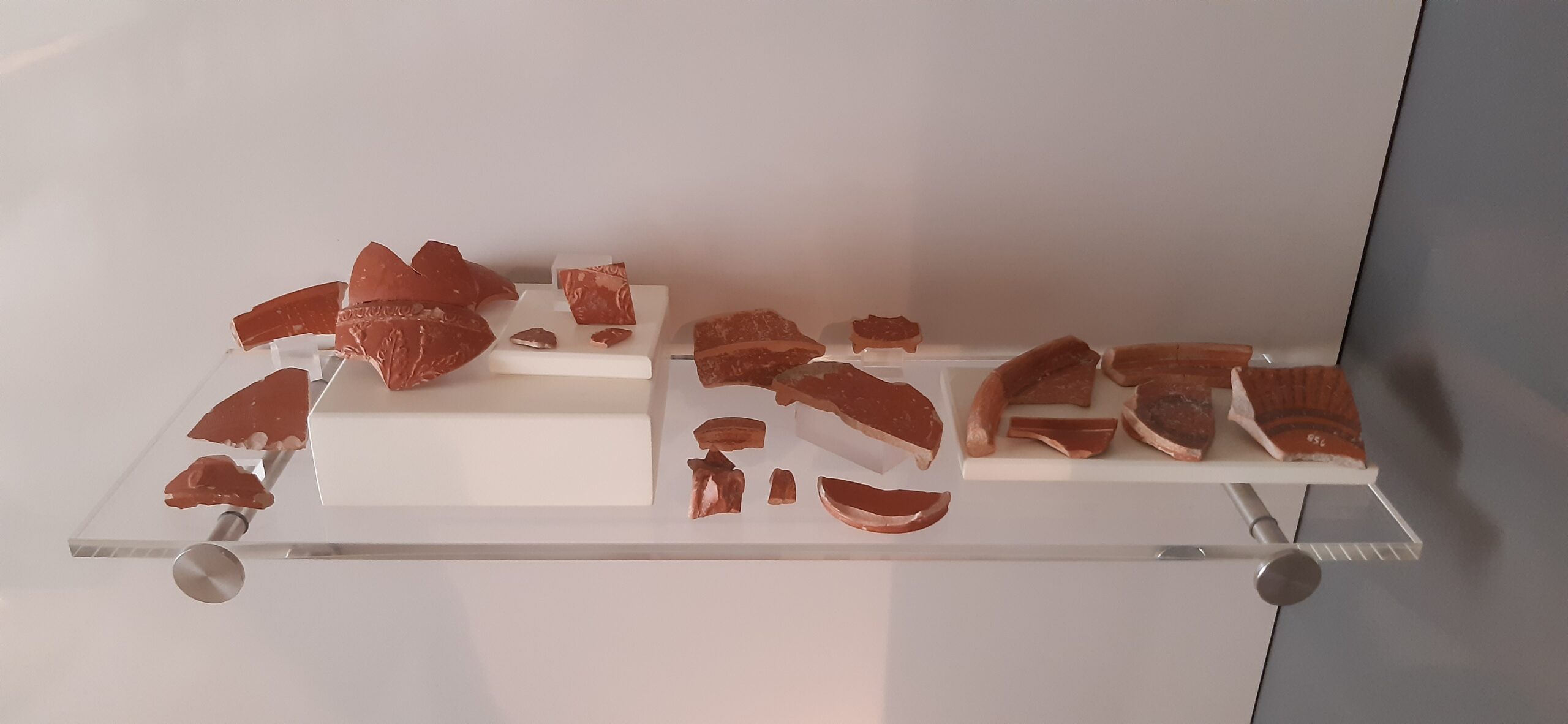
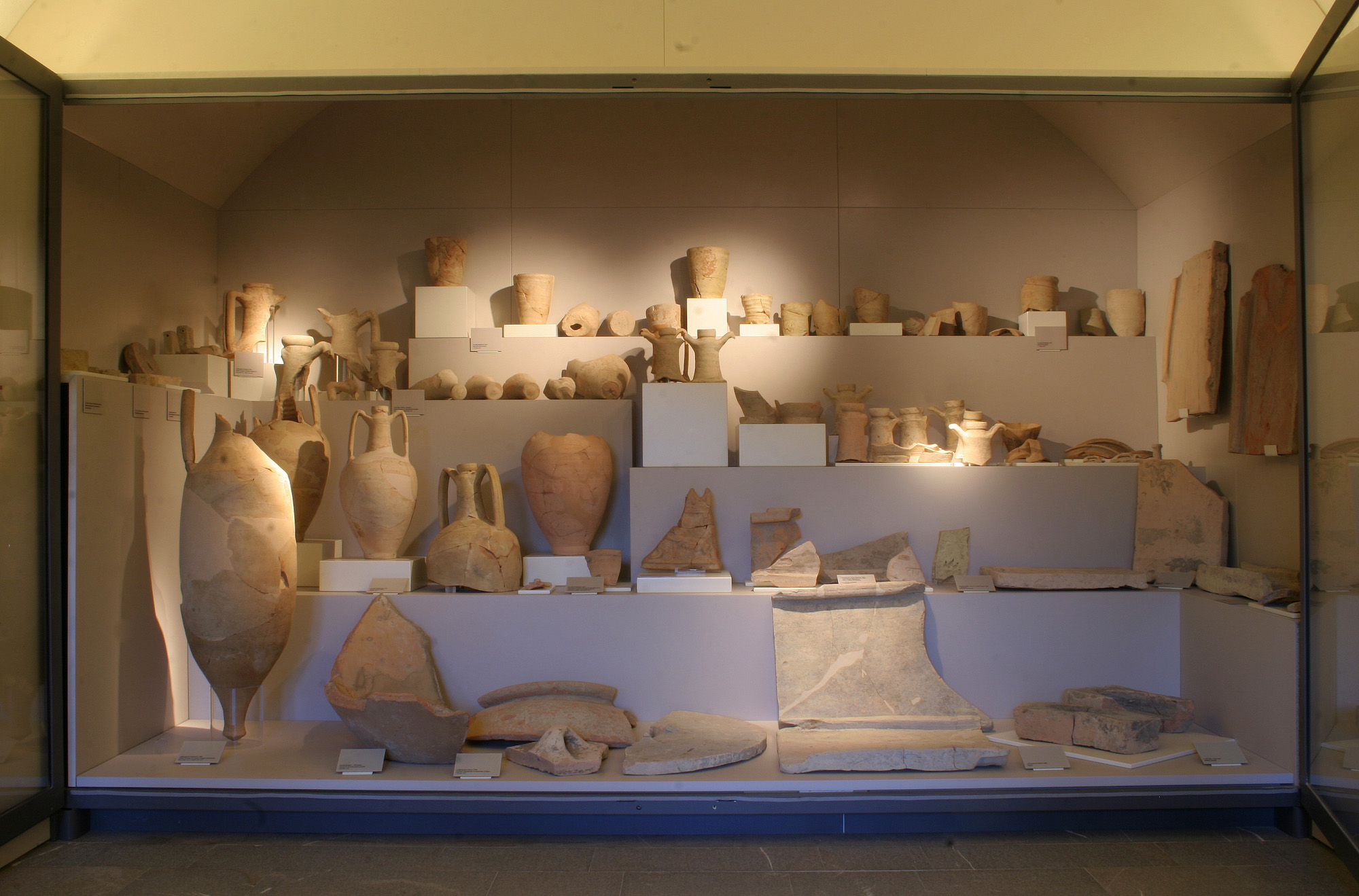
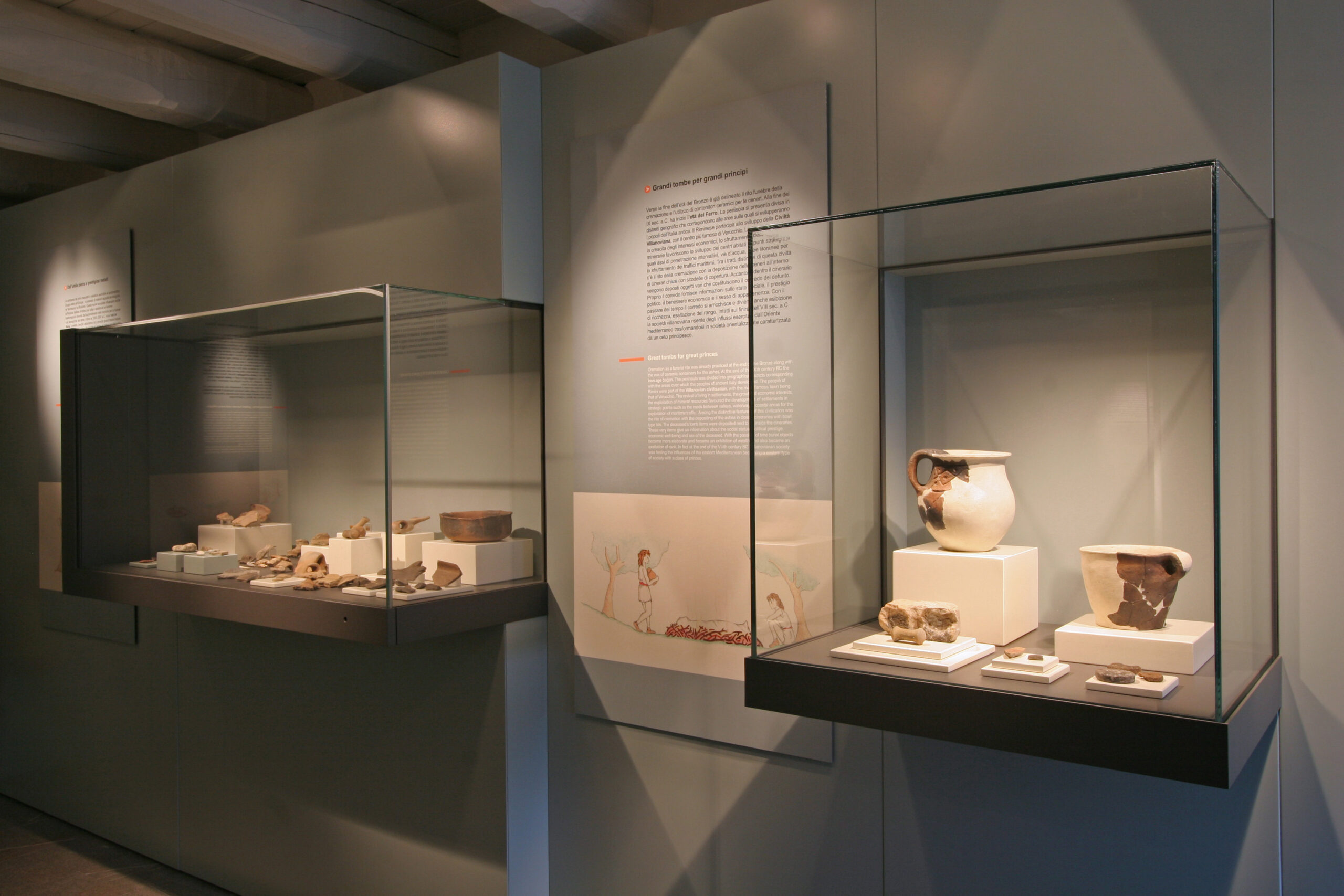
In the nine exhibition halls, visitors encounter artifacts uncovered through archaeological discoveries and digs, as well as architectural and artistic works that once adorned historical and religious buildings. The museum also tells the stories of the people: craftsmen, artists, and notable figures who left their mark on Santarcangelo.


History, Art, Culture: two paths for many interests
The layout of MUSAS was created following the scientific project by art historian Pier Giorgio Pasini and archaeologist Maria Luisa Stoppioni, completed in 2005 with the museum’s opening to the public.
Over the years, the museum has enriched its collection and continues to do so, offering new “perspectives” on art through exhibitions of contemporary artists, whose works have been interwoven with the permanent collection and continue to enhance it.
The museum has two main sections:
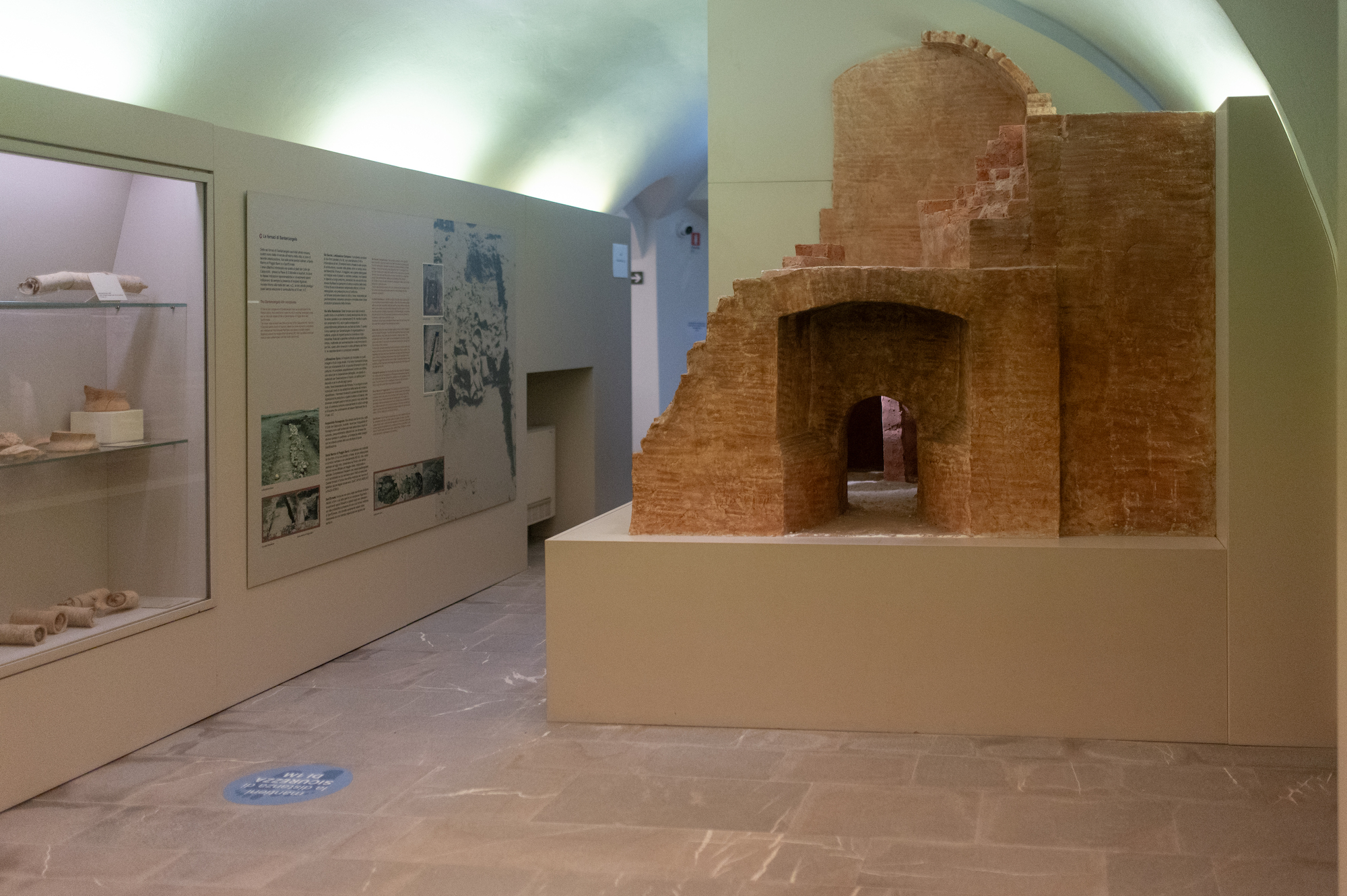
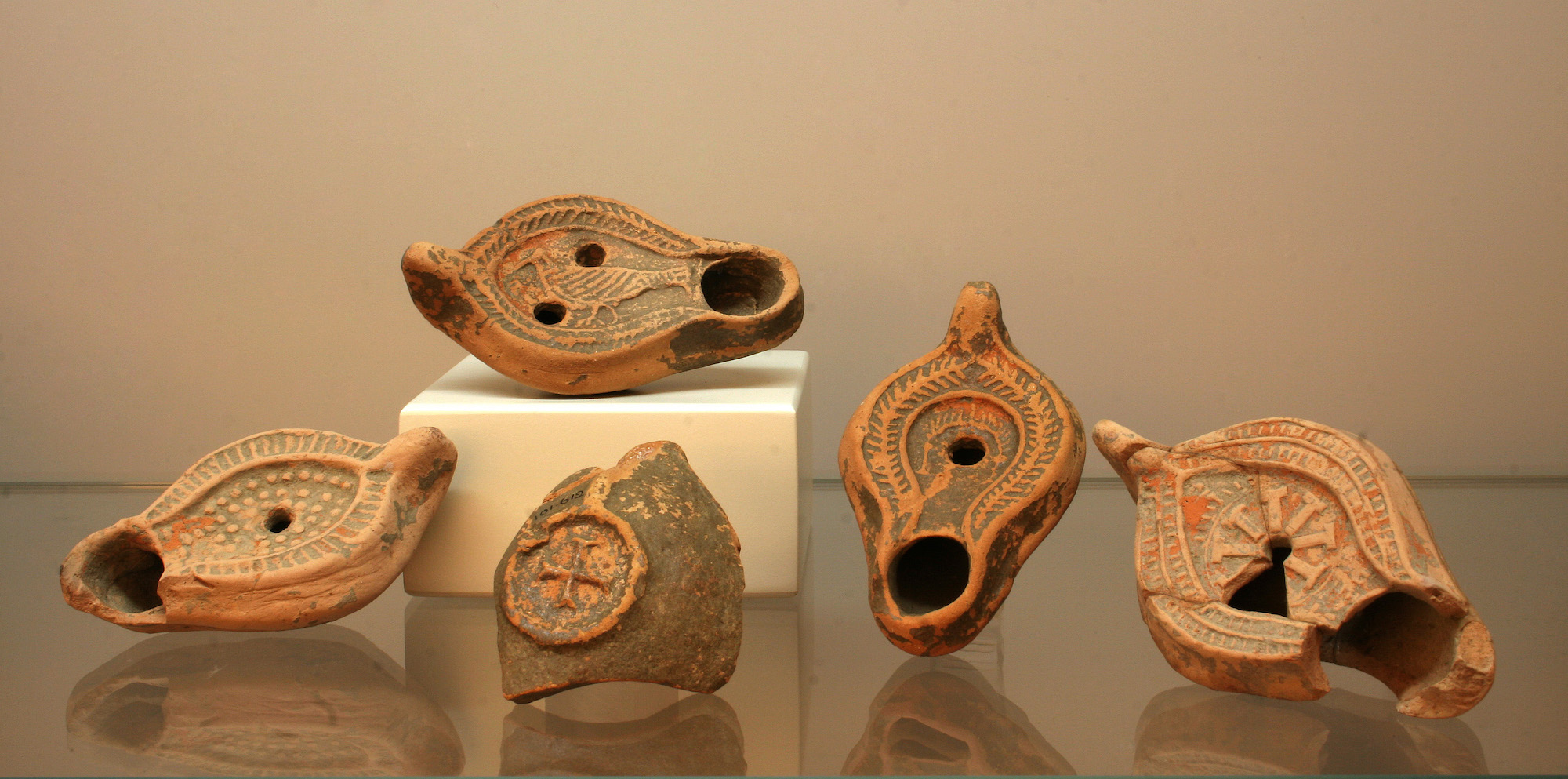
– the archaeological path, dedicated to ancient history, from prehistoric artifacts to the development of a system of furnaces primarily producing wine amphorae, and later, between the 6th and 7th centuries, oil lamps;
– the historical-artistic path, which narrates the development of the village of Santarcangelo from the early Middle Ages to the 19th century through architectural elements and artworks of great value.
Palazzo Cenci, which houses the museum, is also a historic building: the richness of its spaces adds to the pleasure of the visit.
Understanding heritage: a right and a pleasure
MUSAS aims to bring the significance and pleasure of history to as broad an audience as possible. To achieve this, it displays the heritage entrusted to it, prioritizing its preservation, enhancement, and ensuring an easy and enjoyable experience for visitors.
The museum’s main objectives are:
– to recognize the central importance of the pleasure of knowledge as a means of connecting with historical and artistic testimonies;
– to serve all individuals, striving to meet diverse and ever-changing needs, interests, languages, and approaches to learning;
– to promote education and the formation of young people’s desire to discover, as well as active citizenship.
Explore the Wardrobe of Time
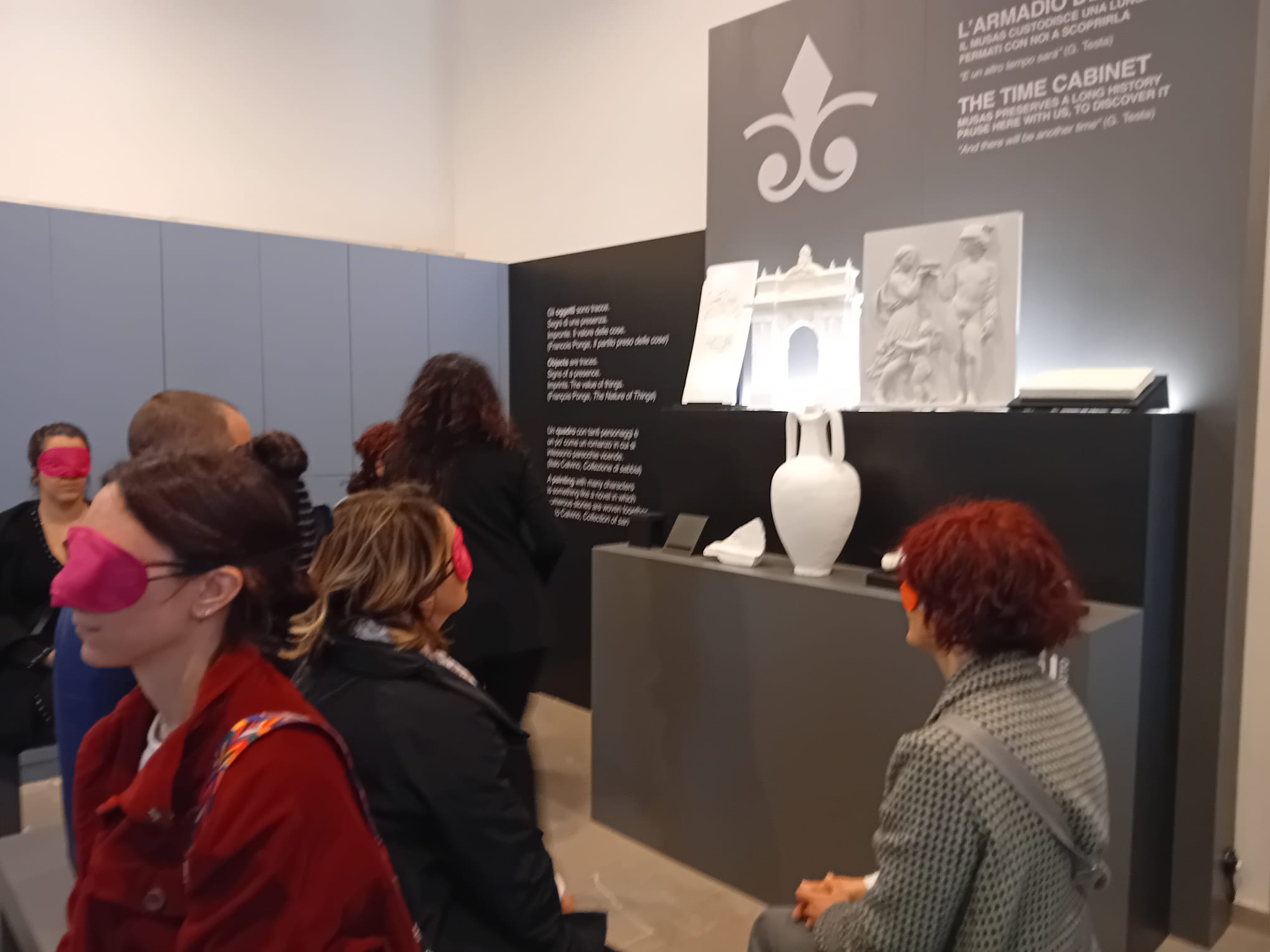
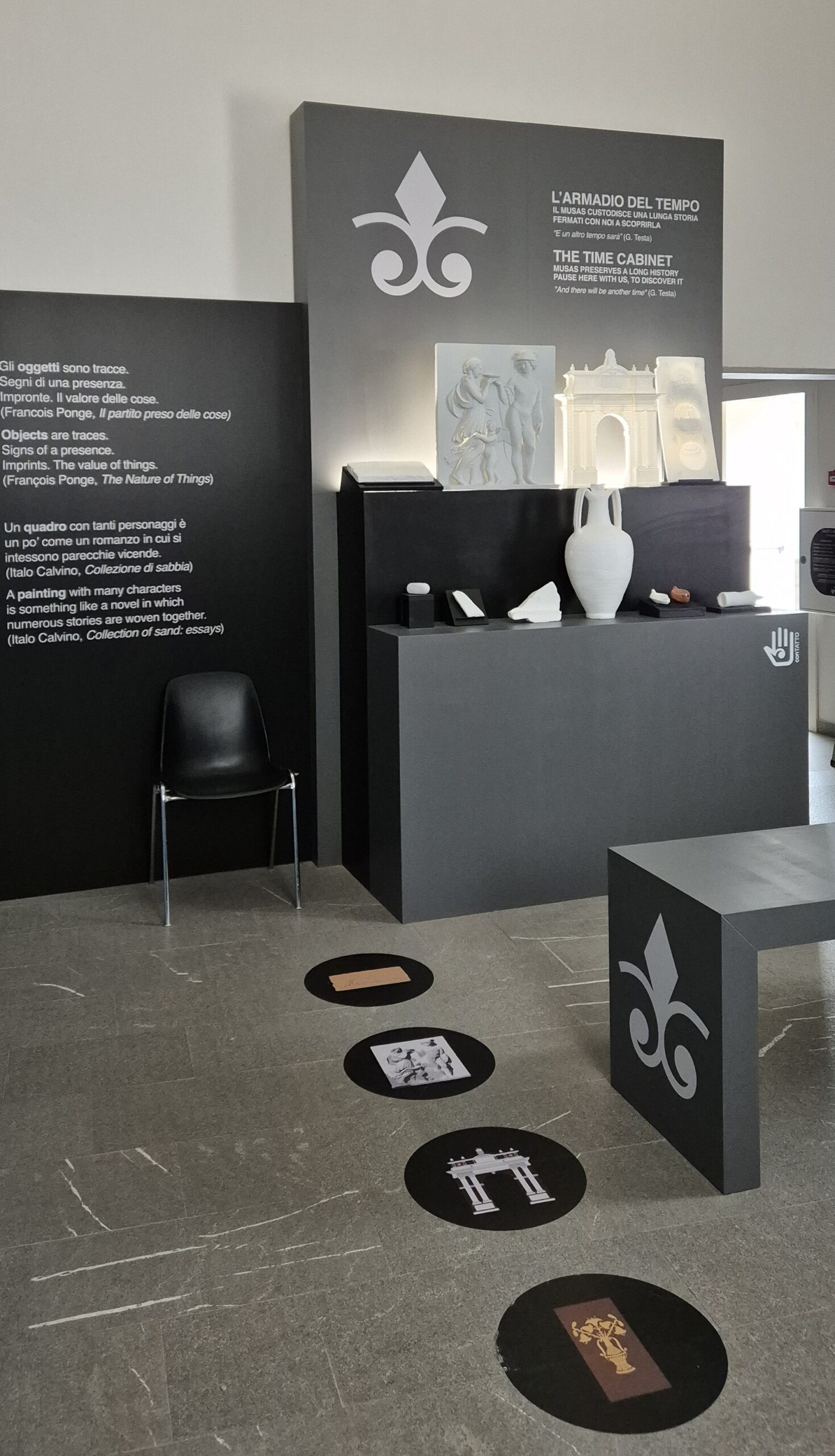
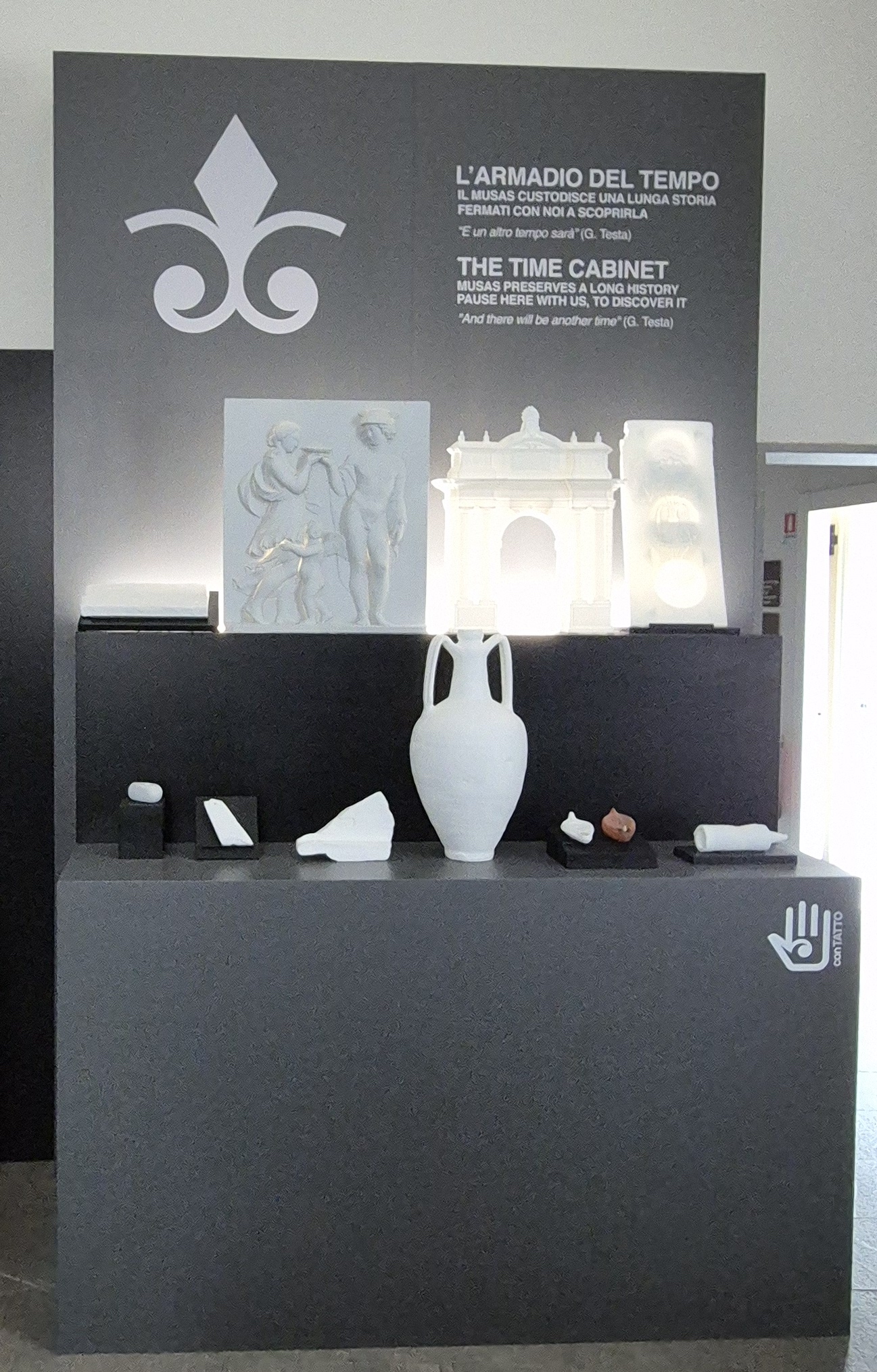
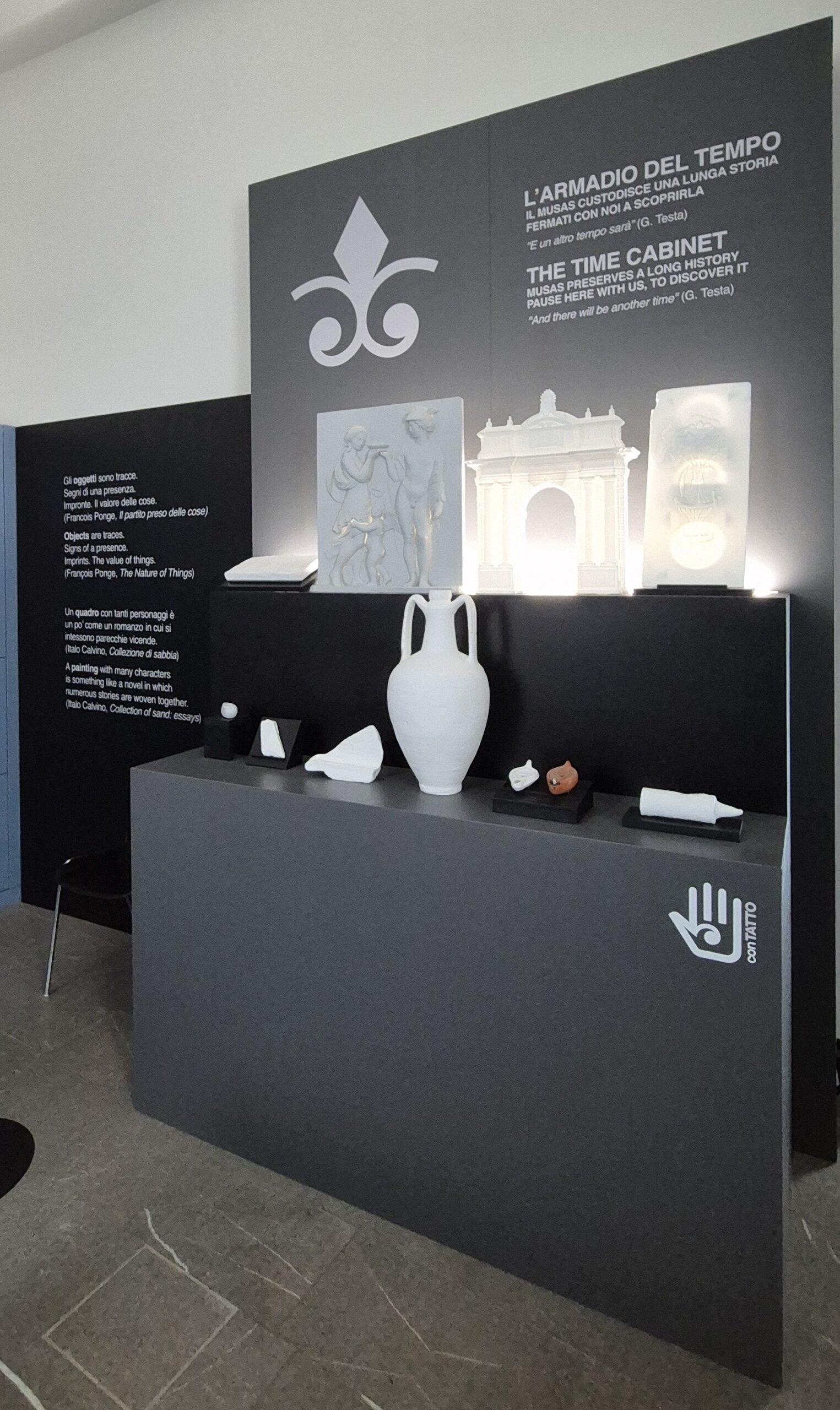
To help visitors navigate the broad chronological span of the museum’s narrative, they are introduced to the Wardrobe of Time at the entrance: a tactile timeline featuring the ten most representative objects from each historical period, from Prehistory to the 19th century. These objects are 3D printed replicas available for everyone to explore by touch.
“A museum is good if it raises more questions
when you leave than when you enter”
(Fabrizio Caramagna)
If you would like to learn more about the complete mission of MUSAS, download the Regulations and Service Charter